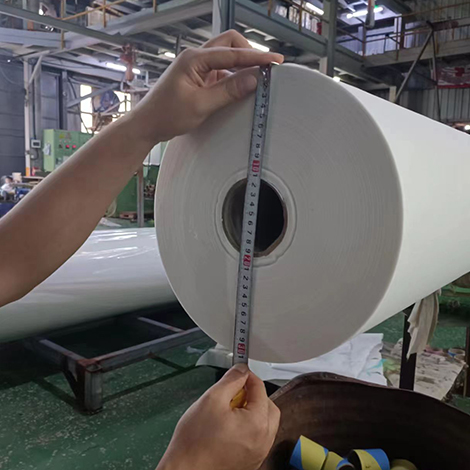

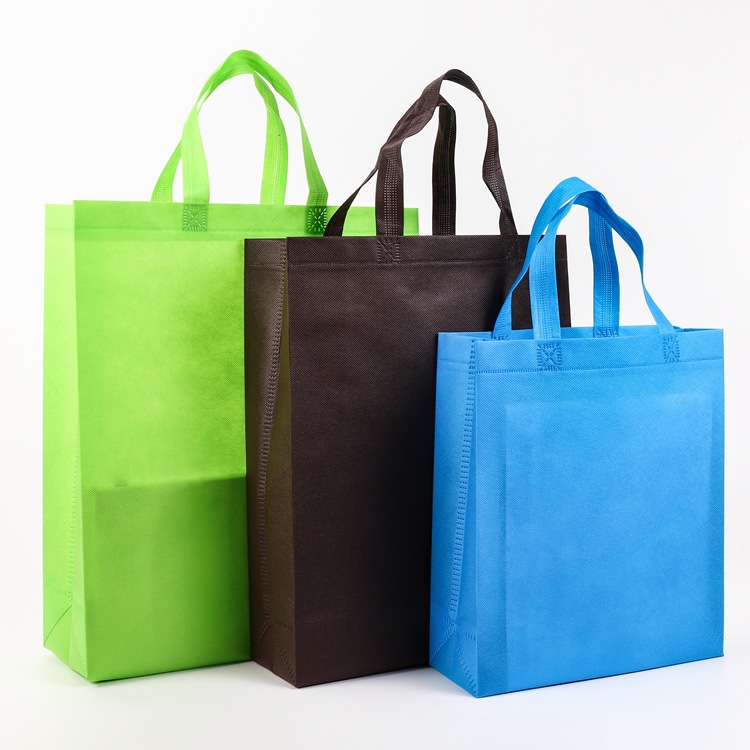
Non-woven polypropylene bags provide numerous advantages, making them excellent for reusable shopping and promotional products. Non-woven polypropylene bags are lightweight, affordable, and customizable. Polypropylene bags support eco-friendly initiatives and improve brand visibility. Non-woven polypropylene bags possess durability, water resistance, and reusability for daily use.
Yes, nonwoven polypropylene fabric is eco-friendly as a reusable alternative to single-use plastic bags. Polypropylene is derived from petroleum and offers environmental benefits through its reusability, durability, and recyclability. Nonwoven polypropylene bags reused hundreds of times, reducing plastic waste compared to disposable bags. The material is 100% recyclable, helping to close the loop on plastic life cycles when proper recycling facilities exist. The PP non woven eco bag requires less energy and water to produce than cotton or paper bags. PP non-woven bags' lightweight structure reduces carbon emissions during transport. Improper disposal and single-use behavior diminish their environmental benefits. Recycled nonwoven polypropylene fabric supports circular consumption.
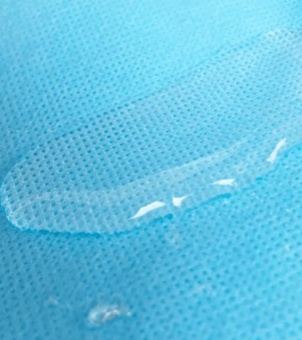
Yes, non-woven polypropylene fabric is water-resistant, but not waterproof. Polypropylene repels water due to its hydrophobic nature, preventing moisture absorption, which makes polypropylene waterproof. The non-woven structure bonds fibers without weaving, creating a barrier that blocks light splashes and moisture penetration. Reusable shopping bags, medical masks, and protective covers are made of polypropylene. The fabric has tiny pores between bonded fibers, allowing water to pass through under pressure or prolonged exposure. Non-woven polypropylene fabric resists short-term moisture, but lacks full waterproofing compared to coated or laminated materials.
Yes, non-woven polypropylene fabric is recyclable. Non-woven polypropylene is made from a single plastic polymer, making recycling easier than multi-material products. Recycling collects used non-woven polypropylene bags, shredding them into small flakes. Flakes undergo washing to eliminate contaminants and are transformed into plastic pellets after melting and reprocessing. Pellets create new products like storage containers, construction materials, and recycled fabric, including non-woven fabrics. Proper sorting and access to recycling facilities are essential since not all curbside programs accept polypropylene. Recycling PP non-woven fabric reduces waste and promotes circular

Soclal sharing


E-mail : marketing@henghuanonwoven.com
Add : No.260 Liqi Road Hangcheng Street, Changle District, Fuzhou City, Fujian Province, China
Copyright @ 2026 Fuzhou Heng Hua New Material Co., Ltd. All Rights Reserved.  Network Supported
leave a message
Scan to Wechat :

Scan to WhatsApp :