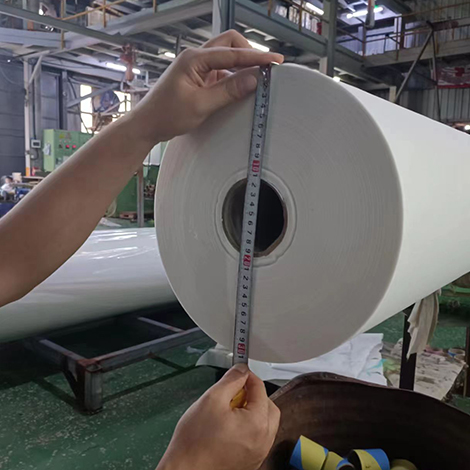
The application of polypropylene spunbond non-woven fabric in furniture base cloth (Dust Cover)
May 22, 2026
From a Nonwoven Roll Manufacturer to the Furniture Industry
Flip over any quality sofa, armchair, or mattress. What do you see on the bottom?
In most cases, you will find a dust cover (also called bottom lining or cambric replacement). This fabric is stapled to the underside of the furniture frame. It hides the internal structure, keeps dust out, and gives the piece a finished look.
Traditionally, dust covers were made from woven cambric (a heavy black cotton or poly-cotton fabric). Today, more and more furniture manufacturers are switching to polypropylene spunbond nonwoven fabric.
Why the shift? Let's break it down.
What Is a Furniture Dust Cover?
A dust cover is the fabric layer attached to the bottom of upholstered furniture — sofas, loveseats, chairs, ottomans, and even mattresses.
Its jobs are simple but important:
Keep dust and debris out – Prevents dust mites, pet hair, and dirt from entering the furniture interior
Provide a clean finish – Hides springs, webbing, and raw frame edges
Allow breathability – Prevents moisture buildup and mold inside the furniture
Offer light protection – Guards against minor impacts and pests
Why Spunbond Nonwoven for Dust Covers?
Here are the key reasons furniture manufacturers are switching from woven cambric to spunbond nonwoven:
1. Superior Dust BlockingSpunbond nonwoven is made from continuous filaments bonded together. The structure has fine, tortuous pathways that block dust particles effectively — better than woven cambric, which has visible gaps between yarns.
2. Excellent BreathabilityWhile blocking dust, spunbond still allows air and moisture vapor to pass through. This prevents condensation inside the furniture frame — a common cause of mold, mildew, and musty odors in older furniture.
3. Tear-ResistantWoven cambric can tear easily, especially along staple lines or when stretched. Spunbond nonwoven offers uniform tear strength in all directions. It won't rip during installation or transport.
4. No FrayingWoven fabrics fray at the cut edges — loose threads that look messy and can catch on warehouse equipment. Spunbond cuts clean and smooth, with zero fraying. This gives a more professional finished product.
5. Lighter Weight = Lower Shipping CostSpunbond nonwoven is significantly lighter than woven cambric at the same coverage area. When you're shipping thousands of finished sofas, every gram matters. Lighter furniture means lower freight costs.
6. Cost-EffectivePP spunbond is generally less expensive than woven cambric, especially at higher volumes. Manufacturers get better performance at a lower price point.
7. Easy to StapleSpunbond fabric is flexible yet strong. Factory workers can stretch it over the frame and staple through it without tearing. This speeds up assembly and reduces waste.
Recommended Specifications for Dust Covers
Property
Recommended Value
Notes
Basis weight
80–120 gsm
90–100 gsm is most common
Color
Black
Black hides dirt and looks professional
Width
Customizable
Match your frame dimensions
Material
100% virgin polypropylene
Consistent quality, no recycled content risk
Treatment
Antioxidant / UV stabilizer
For long-term durability (optional)
Spunbond vs. Woven Cambric for Dust Covers
Feature
Woven Cambric
Spunbond Nonwoven
Dust blocking
Moderate (gaps between yarns)
Excellent (continuous filament structure)
Breathability
Good
Excellent
Tear resistance
Directional (tears easily along weave)
Uniform (strong in all directions)
Edge fraying
Yes (frays over time)
No (clean cut)
Weight (per square meter)
Heavier (typically 120–150 gsm)
Lighter (80–120 gsm)
Cost
Higher
Lower
Installation speed
Slower (handles fraying, tear-prone)
Faster (easy to stretch and staple)
Who Uses Spunbond Dust Covers?
Sofa and sectional manufacturers – Residential and commercial
Armchair and recliner producers – Motion furniture needs durable bottom linings
Ottoman and footstool makers – Small pieces still need dust protection
Mattress manufacturers – Bottom dust covers for innerspring and foam mattresses
Office chair manufacturers – Under-seat dust covers for upholstered task chairs
Quality Check: What to Look for in a Dust Cover Fabric
Not all spunbond is the same. For dust cover applications, look for:
Consistent basis weight – Avoid thin spots that tear easily
Deep black color – Fading looks cheap; quality spunbond holds its color
Smooth surface – No roughness that could snag during installation
Antioxidant additives – Prevents yellowing and degradation over years of use
The Bottom Line
Your customer will never see the dust cover. But they will experience the results: a clean, fresh-smelling sofa that holds up over time. And you – the manufacturer – will notice the lower material costs, faster assembly, and fewer quality complaints.
Switching from woven cambric to polypropylene spunbond nonwoven for dust covers is a simple change with real returns.
Looking for a reliable supply of spunbond nonwoven for furniture dust covers? We offer custom widths, deep black color, and basis weights from 80gsm to 120gsm — exactly what furniture factories need.
Contact us for samples or a quote – Let your furniture stay clean, from the bottom up.







 Network Supported