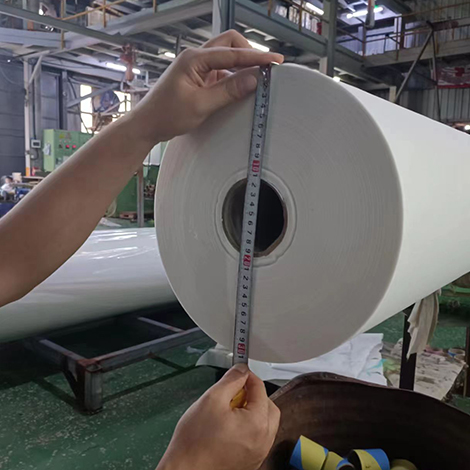
Furniture Manufacturers Trust PP Spunbond Nonwoven
May 09, 2026
From a Nonwoven Roll Manufacturer to the Furniture Industry
When you sit on a comfortable sofa or armchair, you see the leather or fabric upholstery. You feel the foam cushion. What you don't see is just as important.
Underneath that beautiful exterior lies a hidden workhorse: polypropylene spunbond nonwoven fabric.
From spring covers to dust barriers, here's why furniture manufacturers worldwide rely on spunbond for their sofas, chairs, and mattresses.
1. Spring Cover (Spring Wrap / Cushion Backing)
Inside every upholstered sofa, metal springs do the heavy lifting. But bare springs can:
Squeak against foam
Poke through cushioning over time
Shift position during use
Spunbond nonwoven acts as a separation layer between the springs and the foam. It's strong enough to resist puncture, yet thin enough to take up no extra space.
Result: Quieter, longer-lasting furniture.
2. Dust Cover (Bottom Lining / Cambric Replacement)
Flip over any quality sofa or chair. What is the bottom made of? Traditionally, manufacturers used woven cambric (black fabric). Today, more are switching to spunbond nonwoven.
Why?
Blocks dust – Fine holes stop dust mites and debris from entering the furniture
Breathes – Prevents moisture buildup and mold inside the frame
Tear-resistant – Unlike paper-backed linings, spunbond won't rip during transport
Cost-effective – Significantly cheaper than woven alternatives
For dark-colored dust covers, we supply black spunbond at 60–100gsm – tough, professional-looking, and invisible to the end customer.
3. Furniture Backing (Back Cover for Cabinets/Shelves)
For wall-mounted cabinets, wardrobes, and bookshelves, the back panel is often hidden. Some manufacturers use solid wood or MDF, but that adds weight and cost.
A lightweight alternative? Spunbond nonwoven stapled or glued to the back frame.
Benefits:
Keeps dust out – No more cleaning cobwebs off your stored items
Allows air circulation – Prevents musty smells
Reduces shipping weight – A fraction of the weight of solid panels
Quick to install – No cutting, no splinters
This is especially popular in ready-to-assemble (RTA) furniture.
4. Foam Wrap / Cushion Encasement
When foam cushions are cut, they shed small particles (dust). Wrapping foam in spunbond before upholstery:
Contains foam dust – Cleaner factory, better working conditions
Prevents yellowing – Acts as a barrier between foam and outer fabric
Reduces friction – Helps the final cover slide on easier during assembly
For this application, we recommend 50–80gsm white or black spunbond.
5. Armrest / Backrest Inner Lining
Some furniture designs have hidden cavities (e.g., hollow armrests). Instead of leaving them empty (which feels cheap and hollow when knocked), manufacturers fill them with scrap foam or cotton, then wrap with spunbond.
This creates:
A solid sound when tapped (not hollow)
A smooth surface for the final upholstery
No loose fibers migrating through the outer fabric
6. Under-Spring Insulator (Panel Wire Replacement)
In high-end sofa construction, thin metal wires run parallel to springs. Spunbond nonwoven is sometimes used as a secondary insulator between the springs and the fabric layer. It catches any spring movement and spreads load evenly.
A Quick Reference Table
Application
Recommended Weight (GSM)
Common Color
Key Benefit
Spring cover
60–90
Black / White
Noise reduction
Dust cover
80–120
Black
Blocks dust, breathable
Foam wrap
40–60
White
Dust containment
Backing panel
70–100
Black
Lightweight, breathable
Armrest lining
50–80
White
Solid feel, smooth finish
Why Furniture Makers Prefer Spunbond Over Woven Fabrics?
Feature
Woven Fabric
Spunbond Nonwoven
Cost
Higher
Lower
Tear strength
Directional
Uniform
Lint/fraying
Edges fray
Clean cut
Breathability
Good
Excellent
Dust blocking
Moderate
Excellent
Recycling
PP woven recyclable
PP spunbond recyclable
The Bottom Line
You won't see spunbond nonwoven in a furniture showroom. Your customers will never know it's there. But you – the manufacturer – will notice the lower costs, faster assembly, and better quality control.
From spring covers to dust barriers, PP spunbond is the invisible upgrade that makes good furniture better.
Looking for a reliable supply of spunbond nonwoven for your furniture production? We offer custom widths, colors (especially black and white), and basis weights from 40gsm to 150gsm.
Contact us for samples or a quote – Your furniture will thank you, quietly, from the inside.







 Network Supported