Discover how smart farmers around the world are using polypropylene spunbond nonwoven fabric to protect their crops, reduce chemical use, and boost profitability.
When you think of agricultural technology, you might imagine complex irrigation systems, GPS-guided tractors, or genetically modified seeds. But sometimes, the most effective innovations are simpler.
At Henghua Nonwoven , we've seen firsthand how polypropylene (PP) spunbond nonwoven fabric is transforming modern agriculture. This lightweight, durable material is helping farmers from Vietnam to Peru overcome their biggest challenges: unpredictable weather, pest infestations, and rising labor costs.
Here's why agricultural professionals worldwide are making the switch to PP spunbond nonwoven—and how it can benefit your farm or distribution network.
Before we dive into the solution, let's look at what farmers face today:
Climate Volatility: Sudden frosts, hailstorms, or extreme sun can destroy an entire season's work overnight.
Pest Pressure: Insects and birds damage crops, leading to significant yield loss and increased pesticide use.
Water Scarcity: In many regions, irrigation is expensive or limited. Soil moisture evaporates too quickly.
Weed Competition: Weeds steal nutrients and water, requiring costly herbicides or manual labor.
Our PP spunbond nonwoven fabric addresses all four problems simultaneously.
Unlike plastic mulch films, our fabric is breathable and permeable. Made from continuous polypropylene filaments, it creates a protective barrier over your crops or soil while allowing air, water, and sunlight to pass through at controlled rates.
Let's explore the three most effective applications.
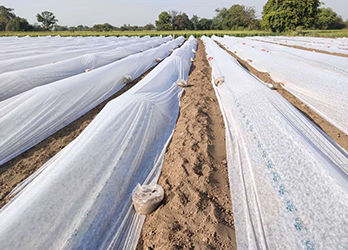
Imagine a lightweight "blanket" that you can lay directly over your plants. That's a floating row cover.
How it helps:
Frost Protection: Our fabric can raise the temperature underneath by 2-4°C (4-8°F), protecting tender seedlings from unexpected frosts. This extends your growing season by weeks.
Pest Barrier: It physically blocks insects, birds, and even small animals from reaching your crops—without using a single chemical.
Light Diffusion: The white fabric diffuses sunlight, reaching lower leaves and reducing the risk of sunscald on fruits like tomatoes and peppers.
Perfect for: Leafy greens, strawberries, carrots, and delicate seedlings.
Weed management is one of the biggest labor costs on any farm. Our black spunbond nonwoven fabric acts as a physical barrier when laid on the soil.
How it helps:
Blocks Sunlight: Weeds cannot germinate or grow without light, eliminating the need for herbicides.
Retains Moisture: By covering the soil, the fabric dramatically reduces water evaporation. This means you irrigate less frequently—saving water and money.
Prevents Soil Erosion: It protects the topsoil from being washed away by heavy rain or blown away by wind.
Perfect for: Vineyards, orchards, berry plantations, and vegetable rows.
For perennials and in colder climates, protecting plants during dormancy is crucial.
How it helps:
Windbreaks: Reduces desiccation (drying out) from cold winter winds.
Insulation: Provides a stable microclimate, preventing the freeze-thaw cycles that can heave plants out of the ground.
Nursery Use: In plant nurseries, it is used to protect potted plants and create shaded, controlled environments for rooting cuttings.
Perfect for: Young trees, shrubs, and over-wintering vegetables.
Not all nonwoven fabrics are created equal. Agricultural applications demand specific properties that our product delivers.
Standard fabrics degrade quickly in sunlight. Our PP spunbond is treated with UV stabilizers, ensuring it lasts for an entire growing season—and often multiple seasons—without crumbling or losing strength.
Unlike plastic films, our fabric allows air to circulate. This prevents the buildup of humidity that leads to fungal diseases like mildew or rot.
It is strong enough to withstand wind and handling, yet lightweight enough not to crush your plants. It can be easily cut, shaped, and secured with soil or pins.
Reusable: High-quality PP spunbond can be carefully removed, washed, and reused for several seasons.
Recyclable: At the end of its life, the material can be recycled.
Permeable: It allows rainwater to reach the soil, unlike plastic mulches that require drip irrigation underneath.
We are more than just a supplier; we are a partner in your agricultural success. With years of experience exporting agricultural textiles worldwide, we understand the specific challenges of different climates and crops.
We offer:
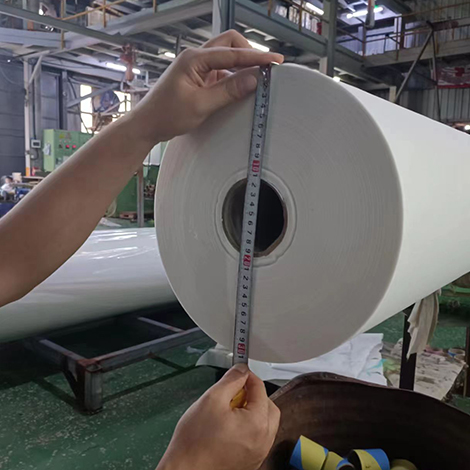
Custom Widths & Lengths: Supplied in rolls that fit your specific row spacing and field layout.
Multiple Colors: White for light diffusion and cooling, black for maximum weed suppression and warming.
Competitive Pricing: Factory-direct pricing for wholesalers, distributors, and large farms.
Bulk Export Expertise: Reliable shipping and documentation to anywhere in the world.

Soclal sharing


E-mail : marketing@henghuanonwoven.com
Add : No.260 Liqi Road Hangcheng Street, Changle District, Fuzhou City, Fujian Province, China
Copyright @ 2026 Fuzhou Heng Hua New Material Co., Ltd. All Rights Reserved.  Network Supported
leave a message
Scan to Wechat :

Scan to WhatsApp :