Blog
Home

nonwoven fabric

nonwoven fabric

  • How Ai consider the Future of Nonwovens Dec 12, 2025
    The nonwoven industry stands at a technological crossroads. What was once considered a simple disposable material is undergoing a radical transformation. Among all nonwoven technologies, polypropylene spunbond is uniquely positioned to lead this revolution into the era of smart materials. Its versatile manufacturing process, inherent polymer flexibility, and established global infrastructure make it the ideal platform for innovation. This article explores how next-generation PP spunbond fabrics are integrating functionality, responsiveness, and intelligence to create value far beyond traditional applications. The Smart Material Evolution: Beyond Passive Fabrics Smart materials can sense, react, and adapt to environmental stimuli such as temperature, pressure, moisture, or electrical signals. While technical textiles often dominate this conversation, the high-volume, cost-sensitive world of nonwovens is now catching up. PP spunbond’s journey involves three key evolutionary stages: Passive: Traditional barrier, cover, or wrapping material (e.g., medical drapes, crop covers). Active: Fabric with added permanent functionality (e.g., antimicrobial coating, UV resistance, hydrophilic treatment). Smart/Responsive: Material that dynamically changes its properties in response to a specific trigger. Key Frontiers Where PP Spunbond is Getting Smarter 1. Integrated Sensing & Diagnostics The porous, high-surface-area structure of spunbond fabric is an excellent scaffold for integrating sensor technologies. Wearable Health Monitors: Imagine a disposable surgical gown or bed sheet with printed electrochemical sensors embedded in the PP fibers. These could continuously monitor a patient's vital signs (sweat-based biomarkers, body temperature) or detect pathogens like bacteria or viruses at the surface level, alerting staff in real-time. Structural Health Monitoring: In geotextile applications, PP spunbond with conductive nanowire coatings could be laid under roads or foundations. The fabric would act as a large-area sensor network to detect stress, strain, or moisture ingress, predicting failures before they happen. 2. Responsive Barrier Technologies Future PP spunbond will move from having a static barrier property to an on-demand one. Temperature-Responsive Porosity: Using phase-change materials (PCMs) or thermoresponsive polymers grafted onto PP fibers, agricultural mulch fabrics could automatically become more breathable on hot days to prevent crop overheating and more insulating at night. Packaging could adjust its breathability based on ambient temperature during transport. Moisture-Triggered Release: For wound care, a spunbond layer could be engineered to release encapsulated antiseptics or growth factors only when it detects excess exudate (moisture), promoting faster healing. 3. Sustainable Intelligence: The Self-Optimizing Circular Material The biggest driver for innovation is sustainability. Smart PP spunbond is key to a circular economy. Intelligent Sorting & Recycling: Incorporating invisible UV or IR tracer molecules into the polymer resin allows automated sorting systems to instantly identify the specific type of PP nonwoven in mixed waste streams. This dramatically increases post-consumer recycling rates and purity. Programmed Degradation: For compostable applications, smart additives can create a "time-release" mechanism. The material remains durable during its use phase but begins a controlled degradation process only when exposed to specific, engineered industrial composting conditions. 4. Energy Harvesting & E-Textile Foundations PP spunbond’s potential as a lightweight, flexible substrate for energy applications is vast. Triboelectric Nanogenerators (TENGs): The friction between PP (excellent at gaining electrostatic charge) and another polymer layer in a multi-layer nonwoven can generate small amounts of electricity from movement. This could power integrated sensors in smart packaging or protective clothing, creating self-powered systems. Flexible Substrate: Its uniformity and heat resistance make it a candidate for printing flexible circuits, antennas (for RFID tags), or even lightweight battery components, particularly for single-use IoT devices. The Enabling Technologies Making This Possible This future is not mere speculation. It’s being built today through converging technologies: Advanced Polymer Engineering: Bicomponent spinning (where each filament contains two different polymers) allows for sophisticated cross-sectional designs that impart responsiveness. Nano-Finishing & Coating: Applying functional nanomaterials (carbon nanotubes, graphene oxides, metallic nanoparticles) via spray, padding, or in-line coating adds conductivity or reactivity without compromising fabric hand or breathability. Digital Manufacturing & Precision Deposition: Inkjet and 3D printing technologies enable the precise, cost-effective placement of functional inks (sensors, circuits) onto the nonwoven web during production. Smart Additives & Masterbatches: The most scalable method. Incorporating micro-encapsulated actives, tracer compounds, or conductive materials directly into the PP melt before spinning seamlessly integrates functionality. Challenges & The Path Forward The path to commercialization faces hurdles: Cost vs. Performance: Adding intelligence must justify the cost increase, especially in high-volume, disposable markets. Durability of Function: Smart responses must survive the rigors of conversion (cutting, sealing) and end-use. Recyclability: Smart materials must not hinder the recyclability of the base PP polymer. Design for disassembly is crucial. Conclusion: This is an article about imagining the future. At present, non-woven fabrics are far from achieving the above functions. But imagination need not be limited, maybe we can achieve it.
  • How Spunbond Nonwoven Fabric Revolutionizes Modern Agriculture Aug 19, 2025
    How Spunbond Nonwoven Fabric Revolutionizes Modern Agriculture: 3 Real-World Cases        In the ever-evolving world of agriculture, farmers and growers are constantly seeking solutions that boost efficiency, reduce costs, and promote sustainable practices. Enter spunbond nonwoven fabric—a versatile material that has quietly become a game-changer in fields, greenhouses, and orchards worldwide. Let’s dive into three real cases where our spunbond nonwoven products transformed agricultural operations, and why it might be the missing piece in your farming toolkit.   Case 1: Weed Control That Saves 30+ Hours Monthly              A family-owned vineyard in California was struggling with relentless weeds competing for nutrients with their grapevines. Manual weeding took 40+ hours weekly, and chemical herbicides risked damaging the soil and fruit quality. They switched to our black spunbond nonwoven fabric (60gsm, 4.2m width).​            The result? The fabric’s dense structure blocked sunlight (preventing weed germination) while allowing water and air to penetrate—keeping the soil moist and healthy. Weeding time dropped to just 8 hours monthly, and grape yields increased by 15% in the first harvest season. “It’s like having a silent farmhand that never takes a day off,” said the vineyard manager.   Case 2: Protecting Seedlings Through Erratic Weather             A commercial nursery in the Netherlands faced a common challenge: spring frost and sudden temperature swings were killing 20% of their young tomato seedlings. They tested our white spunbond nonwoven (30gsm) as a protective cover.​            The fabric acted as a “microclimate regulator”: it trapped heat during cold nights (raising temperatures by 3-5°C) and reflected excess sunlight on hot days to prevent overheating. Seedling survival rates jumped to 98%, and the nursery expanded production by 25% without increasing greenhouse space. “We no longer lose sleep over weather forecasts,” their head grower noted.   Case 3: Degradable Options for Eco-Conscious Farming            A certified organic farm in France wanted to reduce plastic waste from traditional mulch films. They chose our degradable spunbond nonwoven (50gsm), made with plant-based additives that break down naturally within 12-18 months.​           Used as mulch for strawberries, the fabric retained soil moisture, reduced erosion, and eliminated the need for post-harvest cleanup (unlike plastic films, which leave microplastics). Their “zero-waste strawberries” became a hit at local farmers’ markets, commanding a 10% premium. “Sustainability isn’t just a trend for us—it’s our brand, and this fabric made it achievable,” said the farm owner.   Why Spunbond Nonwoven Works for Agriculture          Our agricultural spunbond fabrics are designed with farmers in mind:          • Customizable specs: Choose from 10-250gsm (thickness) and 15-255cm width to fit your field size.          • Durable yet lightweight: Resists tearing from wind or equipment, but easy to install by hand.          • Eco-friendly options: degradable variants meet EU and US organic standards.          Ready to see the difference on your farm? Contact us for a free sample kit—we’ll even help you calculate the ROI based on your specific crops and scale.
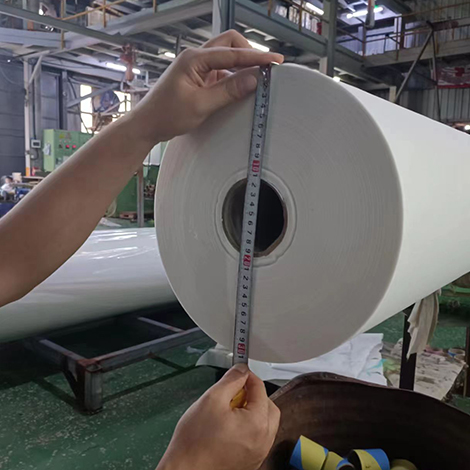
Henghua is a leading manufacturer of PP (Polypropylene) spunbond nonwoven fabric based in Fuzhou city.As one of the largest production houses in China, we operate six advanced production lines with extra two re-roller equipment.Our facilities with covers an area of 3400 square meter workshop. The gross investment arrive 100 millian YUAN.   We take pride in more than 22 years of experience in working with nonwoven fabrics.We pick only the best raw materials of Polypropylene for our products.Our customer are located all over the world.We continuously invovate our production to stay relevant.   Believe in reliable operations & consistent quality Each year, we manufacture 10,000 metric tons of quality polypropylene spunbonded non-woven fabrics from 10gram square meter to 250gram square meter and width range from 15-260cm. Our products are widely used in package industry, medical, home textile,furniture and agriculture fields, such as Shopping bags,suit bags,strorage box,face mask,pillow cover,sofa spring cover,fruit bags.. Henghua Nonwoven products are selling well in country and region such as South America, Southeast Asia, Africa, Southern Europe and South Asia. And we have been getting reputation from customers widely.  

Soclal sharing

Contact Us
Need help? +86 -591-28839008

E-mail : marketing@henghuanonwoven.com

Add : No.260 Liqi Road Hangcheng Street, Changle District, Fuzhou City, Fujian Province, China

Sign Up To Newsletter

Subscribe

Copyright @ 2026 Fuzhou Heng Hua New Material Co., Ltd. All Rights Reserved. Network Supported

Blog Sitemap Xml Privacy Policy

leave a message

leave a message
If you are interested in our products and want to know more details,please leave a message here,we will reply you as soon as we can.
submit

Home

Products

contact

Enter product details (such as color, size, materials etc.) and other specific requirements to receive an accurate quote.
leave a message
If you are interested in our products and want to know more details,please leave a message here,we will reply you as soon as we can.
Submit