Blog
Home

Polypropylene Fabric

Polypropylene Fabric

  • The Eco-Friendly Choice: How PP Spunbond Nonwoven Supports Your Sustainable Business Goals Jan 14, 2026
    In today’s global marketplace, sustainability is no longer just a buzzword—it’s a critical business imperative. Consumers are making choices based on environmental impact, and regulations are tightening. For businesses across industries, from hygiene and medical to furniture and packaging, finding materials that balance performance with eco-responsibility is key. This is where Polypropylene (PP) Spunbond Nonwoven Fabric shines as a forward-thinking solution.   Why PP Spunbond Aligns with the Circular Economy At its core, sustainability is about reducing waste and maximizing resources. PP Spunbond is inherently aligned with these principles: Recyclability: Polypropylene is a thermoplastic polymer, meaning it can be melted and reformed multiple times without a significant loss of its core properties. Post-industrial and post-consumer PP waste can be effectively recycled into new nonwoven fabrics or other plastic products, supporting a circular lifecycle. Resource Efficiency: The spunbond manufacturing process is remarkably efficient. It transforms polymer granules directly into fabric in one continuous step, minimizing energy consumption and material waste compared to traditional woven textiles that involve multiple, separate processes like spinning, weaving, and cutting. Durability & Lightweight: Products made from PP Spunbond are strong and long-lasting, reducing the need for frequent replacement. Its exceptional strength-to-weight ratio means you use less material to achieve the required performance, which translates to lower carbon emissions in transportation.   Beyond “Green”: The Practical Advantages for Your Business Choosing PP Spunbond isn’t just an environmental statement; it’s a smart business decision that delivers tangible benefits: Meeting Compliance & Enhancing Brand Image: Using a recyclable material helps you comply with increasingly stringent Extended Producer Responsibility (EPR) laws and packaging directives in many regions. It allows you to credibly market your products as eco-friendlier, strengthening your brand’s appeal to conscious consumers. Replacing Less Sustainable Options: PP Spunbond is an excellent alternative to materials with a heavier environmental footprint. It can replace certain single-use plastics, non-recyclable laminates, or even natural fibers whose cultivation requires significant water and land use. Versatility for Sustainable Product Lines: From reusable shopping bags and washable protective covers to the inner layers of hygiene products designed with end-of-life in mind, PP Spunbond provides the functional backbone for a wide range of sustainable product innovations.   Partnering for a Greener Future Transitioning to sustainable operations requires the right partners. At [Your Company Name], we don’t just supply PP Spunbond fabric; we provide material solutions that help you achieve your corporate sustainability goals.   We offer guidance on material selection, weight optimization, and can discuss options quality recycled PP material to further reduce your product’s environmental impact. Ready to make a switch that benefits both the planet and your bottom line? Explore our range of eco-conscious PP Spunbond Nonwoven Fabrics today, and let’s build a more sustainable future together. Contact us for a consultation and samples.   Email: Marketing@henghuanonwoven.com  
  • Spunbond Nonwoven: The Engine Behind Modern Materials
    Spunbond Nonwoven: The Engine Behind Modern Materials Dec 25, 2025
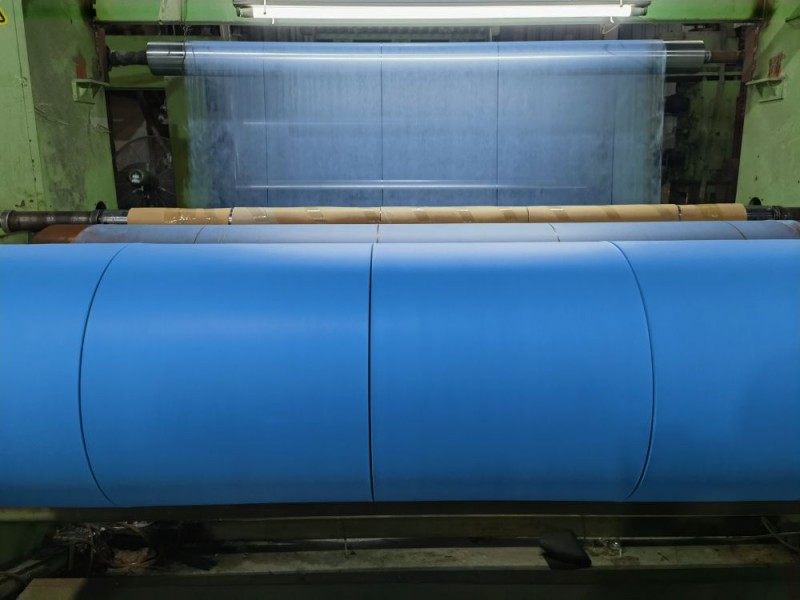
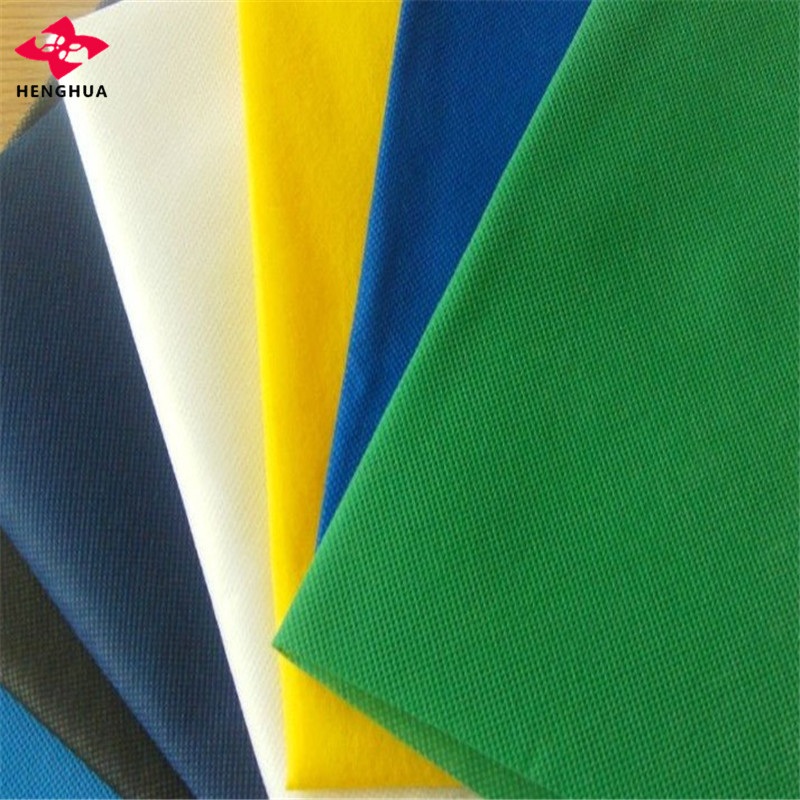
     Spunbond Nonwoven: The Engine Behind Modern Materials   At Henghua Nonwoven, we are at the heart of innovation, crafting the essential fabrics that shape everyday life. As a leading spunbond nonwoven manufacturer, we don’t just produce materials; we engineer solutions. Today, we’re diving into the world of spunbond nonwoven fabric – a versatile, durable, and indispensable material that is often unseen but always felt.    What Exactly is Spunbond Nonwoven?   Unlike traditional woven or knitted textiles made from yarn, nonwoven fabrics are made directly from fibers bonded together. The spunbond process is a specific, continuous method where we extrude molten polymer (like polypropylene, polyester, or biopolymers) through fine spinnerets to form continuous filaments. These filaments are then laid down randomly onto a moving conveyor belt and bonded together – typically using thermal, mechanical, or chemical methods – to create a strong, uniform fabric.   The result? A material with a unique set of properties: high strength-to-weight ratio, excellent breathability, liquid repellency, and consistent quality. It’s cost-effective, customizable, and incredibly reliable.    The Spunbond Process: Our Precision Engineering   As a dedicated manufacturer, our expertise lies in mastering this continuous process. It can be broken down into four key stages:   1.  Extrusion: Polymer granules are melted and forced through spinnerets, creating a curtain of continuous filaments. 2.  Drawing & Attenuation: High-speed air streams stretch and thin the filaments, aligning their molecules for enhanced strength. 3.  Web Formation: The drawn filaments are randomly dispersed onto a moving belt, forming a uniform web. 4.  Bonding: The web is consolidated, most commonly through thermal bonding (calendaring with heated rollers), which creates a smooth, strong fabric.   This controlled process allows us to tailor every aspect of the fabric to your needs: weight (gsm), width, color, strength, softness, and permeability.    Where is Spunbond Nonwoven Used? (Our Solutions in Action)   The applications are vast and growing, a testament to the material’s adaptability. At Henghua Nonwoven, we provide high-quality spunbond for critical sectors:      Hygiene & Healthcare: The backbone of disposable hygiene products. Our fabrics are trusted for diapers, feminine care products, adult incontinence products, and medical gowns/drapes due to their softness, strength, and fluid management.    Agriculture: We empower modern farming with crop covers, weed control fabrics, and seedling bags that protect plants, promote growth, and conserve water.    Geotextiles & Construction: Providing strength and stability, our fabrics are used for soil stabilization, erosion control, drainage systems, and roofing membranes.    Filtration: From HVAC filters to liquid filtration, our consistent pore structure and durability make for efficient and long-lasting filter media.    Packaging & Furniture: Lightweight yet tough, spunbond is ideal for shopping bags, protective covers, and furniture backing.    Why Partner with Henghua Nonwoven?   Choosing the right manufacturer is crucial. Here’s what sets us apart:      Vertical Integration & Quality Control: We control the process from polymer to finished roll, ensuring unmatched consistency and quality at every step.    Innovation & Customization: Our R&D team works closely with clients to develop custom fabrics for specific challenges. Need a unique color, additive (like fire retardants or UV stabilizers), or special finish? We can create it.    Commitment to Sustainability: We are actively developing solutions using recycled polymers and bio-based materials, and our efficient production process minimizes waste. We provide materials that help our clients meet their environmental goals.    Global Reach, Local Expertise: With a robust production capacity and a reliable supply chain, we serve clients worldwide, offering timely delivery and expert technical support.    Driven by Your Needs: We are more than a supplier; we are a partner. We invest in understanding your application to deliver the optimal material that enhances your product’s performance and value.    The Future is Woven with Innovation   The demand for smarter, more sustainable, and higher-performance materials is accelerating. At Henghua Nonwoven, we are committed to leading this change. We are continuously refining our processes, exploring new raw materials, and developing next-generation spunbond fabrics that are stronger, softer, and greener.   Are you looking for a reliable, innovative partner for your spunbond nonwoven needs? Explore the possibilities with Henghua Nonwoven. Let's discuss how our engineered fabrics can become the foundation for your next successful product.
  • How Ai consider the Future of Nonwovens Dec 12, 2025
    The nonwoven industry stands at a technological crossroads. What was once considered a simple disposable material is undergoing a radical transformation. Among all nonwoven technologies, polypropylene spunbond is uniquely positioned to lead this revolution into the era of smart materials. Its versatile manufacturing process, inherent polymer flexibility, and established global infrastructure make it the ideal platform for innovation. This article explores how next-generation PP spunbond fabrics are integrating functionality, responsiveness, and intelligence to create value far beyond traditional applications. The Smart Material Evolution: Beyond Passive Fabrics Smart materials can sense, react, and adapt to environmental stimuli such as temperature, pressure, moisture, or electrical signals. While technical textiles often dominate this conversation, the high-volume, cost-sensitive world of nonwovens is now catching up. PP spunbond’s journey involves three key evolutionary stages: Passive: Traditional barrier, cover, or wrapping material (e.g., medical drapes, crop covers). Active: Fabric with added permanent functionality (e.g., antimicrobial coating, UV resistance, hydrophilic treatment). Smart/Responsive: Material that dynamically changes its properties in response to a specific trigger. Key Frontiers Where PP Spunbond is Getting Smarter 1. Integrated Sensing & Diagnostics The porous, high-surface-area structure of spunbond fabric is an excellent scaffold for integrating sensor technologies. Wearable Health Monitors: Imagine a disposable surgical gown or bed sheet with printed electrochemical sensors embedded in the PP fibers. These could continuously monitor a patient's vital signs (sweat-based biomarkers, body temperature) or detect pathogens like bacteria or viruses at the surface level, alerting staff in real-time. Structural Health Monitoring: In geotextile applications, PP spunbond with conductive nanowire coatings could be laid under roads or foundations. The fabric would act as a large-area sensor network to detect stress, strain, or moisture ingress, predicting failures before they happen. 2. Responsive Barrier Technologies Future PP spunbond will move from having a static barrier property to an on-demand one. Temperature-Responsive Porosity: Using phase-change materials (PCMs) or thermoresponsive polymers grafted onto PP fibers, agricultural mulch fabrics could automatically become more breathable on hot days to prevent crop overheating and more insulating at night. Packaging could adjust its breathability based on ambient temperature during transport. Moisture-Triggered Release: For wound care, a spunbond layer could be engineered to release encapsulated antiseptics or growth factors only when it detects excess exudate (moisture), promoting faster healing. 3. Sustainable Intelligence: The Self-Optimizing Circular Material The biggest driver for innovation is sustainability. Smart PP spunbond is key to a circular economy. Intelligent Sorting & Recycling: Incorporating invisible UV or IR tracer molecules into the polymer resin allows automated sorting systems to instantly identify the specific type of PP nonwoven in mixed waste streams. This dramatically increases post-consumer recycling rates and purity. Programmed Degradation: For compostable applications, smart additives can create a "time-release" mechanism. The material remains durable during its use phase but begins a controlled degradation process only when exposed to specific, engineered industrial composting conditions. 4. Energy Harvesting & E-Textile Foundations PP spunbond’s potential as a lightweight, flexible substrate for energy applications is vast. Triboelectric Nanogenerators (TENGs): The friction between PP (excellent at gaining electrostatic charge) and another polymer layer in a multi-layer nonwoven can generate small amounts of electricity from movement. This could power integrated sensors in smart packaging or protective clothing, creating self-powered systems. Flexible Substrate: Its uniformity and heat resistance make it a candidate for printing flexible circuits, antennas (for RFID tags), or even lightweight battery components, particularly for single-use IoT devices. The Enabling Technologies Making This Possible This future is not mere speculation. It’s being built today through converging technologies: Advanced Polymer Engineering: Bicomponent spinning (where each filament contains two different polymers) allows for sophisticated cross-sectional designs that impart responsiveness. Nano-Finishing & Coating: Applying functional nanomaterials (carbon nanotubes, graphene oxides, metallic nanoparticles) via spray, padding, or in-line coating adds conductivity or reactivity without compromising fabric hand or breathability. Digital Manufacturing & Precision Deposition: Inkjet and 3D printing technologies enable the precise, cost-effective placement of functional inks (sensors, circuits) onto the nonwoven web during production. Smart Additives & Masterbatches: The most scalable method. Incorporating micro-encapsulated actives, tracer compounds, or conductive materials directly into the PP melt before spinning seamlessly integrates functionality. Challenges & The Path Forward The path to commercialization faces hurdles: Cost vs. Performance: Adding intelligence must justify the cost increase, especially in high-volume, disposable markets. Durability of Function: Smart responses must survive the rigors of conversion (cutting, sealing) and end-use. Recyclability: Smart materials must not hinder the recyclability of the base PP polymer. Design for disassembly is crucial. Conclusion: This is an article about imagining the future. At present, non-woven fabrics are far from achieving the above functions. But imagination need not be limited, maybe we can achieve it.
  • Why Polypropylene Spunbond Nonwoven? The Ultimate Guide to Its Key Features & Benefits
    Why Polypropylene Spunbond Nonwoven? The Ultimate Guide to Its Key Features & Benefits Nov 24, 2025
    In the world of nonwoven fabrics, polypropylene spunbond stands out as a versatile and cost-effective champion. But what exactly makes it such a popular choice across industries from hygiene to agriculture? At [Your Company Name], we're breaking down the science behind the material to help you make an informed decision.   1. Unmatched Lightweight & Cost-EfficiencyPolypropylene spunbond nonwoven is incredibly lightweight. This translates directly into material savings and reduced shipping costs. You get more square meters per kilogram, making it an economically smart choice without compromising on performance. 2. Exceptional Strength & DurabilityDon't let its light weight fool you. The spunbond process involves extruding and bonding continuous filaments, resulting in a fabric with excellent tensile and tear strength. This makes it reliable for demanding applications, from heavy-duty shopping bags to robust geotextiles. 3. Superior BreathabilityThe porous structure of spunbond nonwoven fabric allows air and moisture vapor to pass through easily. This key feature is crucial for products like hygiene materials (diapers, feminine care) and medical fabrics (surgical gowns, drapes), where comfort and skin health are paramount. 4. Hydrophobic Nature: Excellent Moisture ResistancePolypropylene is inherently hydrophobic, meaning it repels water. It does not absorb moisture, keeping the surface dry and preventing the growth of bacteria and mildew. This makes it ideal for applications requiring a moisture barrier or where liquid resistance is needed. 5. Chemically Inert & HypoallergenicThis material is resistant to a wide range of chemicals and is non-allergenic. It is safe for direct contact with skin, making it the top choice for disposable medical and hygiene products. Its inert nature also ensures it doesn't react with stored goods in packaging applications. 6. An Eco-Conscious ChoicePolypropylene spunbond nonwoven is 100% recyclable. Furthermore, its efficient manufacturing process often has a lower carbon footprint compared to traditional woven textiles. For projects focused on sustainability, it can be a key component in creating a greener product lifecycle.   Conclusion: The Smart Material SolutionAt Henghua Nonwoven, we specialize in manufacturing high-quality polypropylene spunbond nonwoven fabrics tailored to your specific needs. Whether you prioritize strength, breathability, or cost-effectiveness, our materials are engineered to deliver. Ready to leverage the benefits of polypropylene spunbond for your next project? Contact us today to discuss your requirements and request free samples!      
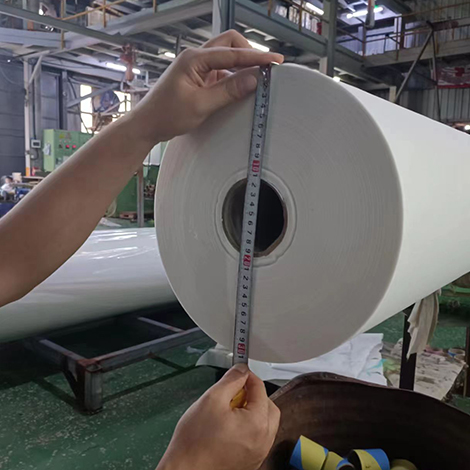
Henghua is a leading manufacturer of PP (Polypropylene) spunbond nonwoven fabric based in Fuzhou city.As one of the largest production houses in China, we operate six advanced production lines with extra two re-roller equipment.Our facilities with covers an area of 3400 square meter workshop. The gross investment arrive 100 millian YUAN.   We take pride in more than 22 years of experience in working with nonwoven fabrics.We pick only the best raw materials of Polypropylene for our products.Our customer are located all over the world.We continuously invovate our production to stay relevant.   Believe in reliable operations & consistent quality Each year, we manufacture 10,000 metric tons of quality polypropylene spunbonded non-woven fabrics from 10gram square meter to 250gram square meter and width range from 15-260cm. Our products are widely used in package industry, medical, home textile,furniture and agriculture fields, such as Shopping bags,suit bags,strorage box,face mask,pillow cover,sofa spring cover,fruit bags.. Henghua Nonwoven products are selling well in country and region such as South America, Southeast Asia, Africa, Southern Europe and South Asia. And we have been getting reputation from customers widely.  

Soclal sharing

Contact Us
Need help? +86 -591-28839008

E-mail : marketing@henghuanonwoven.com

Add : No.260 Liqi Road Hangcheng Street, Changle District, Fuzhou City, Fujian Province, China

Sign Up To Newsletter

Subscribe

Copyright @ 2026 Fuzhou Heng Hua New Material Co., Ltd. All Rights Reserved. Network Supported

Blog Sitemap Xml Privacy Policy

leave a message

leave a message
If you are interested in our products and want to know more details,please leave a message here,we will reply you as soon as we can.
submit

Home

Products

contact

Enter product details (such as color, size, materials etc.) and other specific requirements to receive an accurate quote.
leave a message
If you are interested in our products and want to know more details,please leave a message here,we will reply you as soon as we can.
Submit