Blog
Home

Henghua Nonwoven

Henghua Nonwoven

  • Spunbond Nonwoven Fabric in Flour & Rice Packaging Application Apr 29, 2026
    From a Nonwoven Roll Manufacturer to the Grain Industry Walk into any bulk grain warehouse or supermarket rice aisle. What do you see?Mostly woven polypropylene bags. They’re strong, sure. But they have serious problems: frayed edges, rough texture, poor printing quality, and dust leakage. Now look at the premium segment. More and more rice mills and flour brands are switching to polypropylene spunbond nonwoven fabric. Why? Because it solves almost every pain point of traditional woven sacks. Here is why your next batch of rice or flour should go into a spunbond nonwoven bag.   1. No Dust Leakage (This is Huge for Flour) Woven PP bags are made of interlaced flat tapes. There are always tiny gaps. For rice, that might be fine. For flour? Fine dust escapes constantly—wasting product, dirtying trucks, and annoying warehouse staff. Spunbond nonwoven is made from continuous filaments bonded together. It has no weave gaps. Dust stays inside. Period. For flour mills, this alone is worth the switch.   2. Breathable but Blocks Pests Grains and flour need airflow to prevent mold and heat buildup. Spunbond nonwoven is naturally breathable—air circulates, moisture escapes. But the fabric's fine pore structure is still small enough to block insects and weevils. Traditional woven bags often let small pests in through the weave gaps. Spunbond doesn't.   3. Much Better Print Quality Woven PP bags print poorly—coarse, blurry, limited colors. Your brand deserves better.Spunbond nonwoven has a smooth, paper-like surface. It accepts high-quality flexo or gravure printing with sharp logos, bright colors, and even barcodes. Your bag becomes a real marketing tool, not just a container.   4. Softer on Hands & Equipment Woven edges are sharp. Workers loading trucks get cut fingers. Filling machines suffer from abrasive wear.Spunbond nonwoven is soft, smooth, and lint-free. It’s gentler on both human hands and automated filling lines.   5. Lightweight = Lower Shipping Cost A spunbond bag of the same strength weighs significantly less than a woven bag. When you're shipping 10,000 empty bags, the weight savings translate directly into lower freight costs. For high-volume grain exporters, this adds up fast.   6. Fully Recyclable Like woven PP, spunbond is 100% polypropylene. It can be recycled in existing PP streams. But unlike woven bags, there's no need to separate tapes or remove laminations. This makes end-of-life recycling simpler for mills with closed-loop programs.   7. Recommended Basis Weight: 80gsm and Above Not all spunbond is created equal. For grain and flour packaging, we strongly recommend using 80gsm or higher. Below 80gsm (e.g., 50–70gsm): Suitable for lightweight produce or bread bags, but may risk tearing under the weight and sharp corners of rice grains or flour settling during transport. 80gsm – 100gsm: The sweet spot for 5kg to 25kg bags. Excellent strength-to-weight ratio, durable enough for automated filling lines, yet still cost-effective. 100gsm – 120gsm: Recommended for 25kg to 50kg industrial-size bags or rough handling conditions (e.g., animal feed, long-distance export shipments). Using 80gsm+ spunbond ensures the bag withstands stacking, vibration, and accidental drops without seam failure or fabric rupture.     Who's Using Spunbond Grain Bags Already? Premium rice brands in Southeast Asia (5kg, 10kg sizes) – typically using 80–90gsm Organic flour mills in Europe (avoiding bleach in white woven bags) – using 90–100gsm Animal feed producers needing breathable, pest-proof small sacks – using 100–120gsm   What About Strength? Some buyers worry: "Is nonwoven strong enough for a 25kg rice bag?" Yes—with the right basis weight. Our spunbond rolls are available from 40gsm to 150gsm. For reliable grain and flour packaging, we consistently advise customers to start at 80gsm and above. Combined with reinforced bottom stitching (or ultrasonic welding), an 80gsm+ spunbond bag handles daily loading, stacking, and transport without issues.   The Bottom Line for Grain Processors Feature Woven PP Bag Spunbond Nonwoven Bag (80gsm+) Dust leakage Yes No Pest protection Moderate Excellent Print quality Poor Excellent Worker safety Sharp edges Soft Weight (empty) Heavy Light Recommended strength – 80gsm minimum Recycling Moderate Easy If you are a rice mill, flour producer, or packaging converter, spunbond nonwoven is not a niche product—it's a serious upgrade over traditional weaving. And with 80gsm or higher, you get proven durability without the drawbacks of woven sacks. We supply PP spunbond fabric in large rolls, available from 80gsm to 150gsm for grain packaging applications. White, natural, or custom colors. UV-stabilized options available for outdoor feed storage. Ready to test a sample roll at 80gsm or 100gsm? Contact us. Let's pack grain better. Marketing@henghuanonwoven.com    
  • What Makes PP Spunbond Nonwoven a Smart Choice for Bag Manufacturers? Apr 17, 2026
    Meta Description:Looking for a strong, lightweight, and eco-conscious material for bag production? Discover why PP spunbond nonwoven fabric is the preferred choice for manufacturers worldwide.   Introduction Not all nonwoven fabrics are created equal. If you produce reusable shopping bags, promotional totes, or protective packaging, the material you choose directly affects your product’s durability, printability, and cost. That’s where PP spunbond nonwoven fabric stands out. It’s not just affordable — it’s engineered for performance. What Exactly is PP Spunbond Nonwoven?Polypropylene (PP) spunbond nonwoven is made by extruding melted polymer into continuous filaments, which are then laid into a web and bonded by heat and pressure — no weaving, no yarns. This unique process gives the fabric its signature strength and uniformity.   Key Benefits for Bag Making   1. High Tear Strength at Low GSMWith just 40–80 gsm, PP spunbond nonwoven delivers excellent tear and tensile strength. This means you can produce lightweight bags that still carry heavy loads — saving material costs without compromising quality. 2. Smooth Surface for PrintingUnlike many other nonwovens, spunbond has a smooth, even surface that accepts flexographic and screen printing beautifully. Your brand logos and messages stay sharp and vibrant. 3. Water-Resistant & ReusablePP spunbond is naturally water-resistant, making it ideal for grocery bags, beach totes, and outdoor event bags. And unlike plastic film, it’s reusable and recyclable. 4. Cost-Effective ProductionBecause it’s manufactured in a continuous process, PP spunbond is highly consistent and available in large rolls — reducing waste and speeding up cutting and sewing operations.   Eco-Friendly Without Compromise Many buyers assume “eco-friendly” means weaker or more expensive. Not here. PP spunbond nonwoven is: New Virgin Polypropylene (can be reprocessed into new nonwoven rolls) Lightweight → lower shipping carbon footprint Non-toxic and safe for direct contact with goods   What to Look For in a Supplier   When sourcing PP spunbond nonwoven for bag production, consider:       Feature Why It Matters Uniform fiber distribution Prevents weak spots Consistent width and roll length Reduces production downtime Custom color matching Strengthens brand identity Anti-UV treatment (optional) For outdoor or long-term use   At Henghua Nonwoven , we deliver all of the above — plus third-party testing reports available upon request.   Final Thoughts If you’re still using conventional woven polypropylene or lower-grade nonwovens for bag making, it’s time to switch. PP spunbond nonwoven offers the ideal balance of strength, printability, recyclability, and cost.
  • The Evolution and Versatility of Spunbond Nonwoven Fabrics: Shaping Industries Worldwide Nov 28, 2025
    In the realm of industrial textiles, spunbond nonwoven fabrics stand as a cornerstone of innovation and practicality, powering everything from daily consumer goods to critical industrial applications. As a leading spunbond nonwoven fabric manufacturer, we’ve witnessed firsthand how this versatile material has evolved from a niche product to a global staple—redefining efficiency, sustainability, and performance across sectors. What Makes Spunbond Nonwovens a Game-Changer? Spunbond nonwoven fabric is produced through a continuous process: polymer resins (typically polypropylene, PP) are melted, extruded into filaments, stretched, and then laid into a web before being bonded thermally or chemically. This streamlined production method delivers two core advantages that set it apart from woven or other nonwoven alternatives: Cost-Efficiency: The continuous, high-speed manufacturing process eliminates the need for weaving or knitting, reducing labor and production time while maintaining consistent quality. For businesses, this translates to lower per-unit costs without compromising on durability. Structural Strength: Spunbond fabrics boast exceptional tensile strength, tear resistance, and dimensional stability. Unlike traditional fabrics, their uniform fiber distribution ensures reliable performance in high-stress applications, from heavy-duty packaging to medical barriers. Beyond these fundamentals, modern spunbond nonwovens are engineered to meet bespoke needs: hydrophilic finishes for hygiene products, UV stabilization for outdoor use, anti-static properties for industrial settings, and flame retardancy for safety-critical applications. This adaptability is what makes spunbond fabrics indispensable across diverse industries. Key Applications: Where Spunbond Nonwovens Shine The reach of spunbond nonwoven fabrics spans virtually every sector, with demand growing year-over-year as industries recognize their unmatched value: 1. Hygiene and Healthcare In healthcare, medical gowns, surgical masks, and sterile drapes rely on spunbond-meltblown-spunbond (SMS) composites—our specialty—to create a bacterial barrier while maintaining breathability, a critical factor for healthcare workers. 2. Packaging and Agriculture Spunbond nonwovens are revolutionizing sustainable packaging. As a lightweight alternative to plastic films and woven sacks, they are used for fruit and vegetable bags, seedling covers, and bulk packaging for industrial goods—offering water resistance, ventilation, and recyclability. In agriculture, spunbond fabrics act as crop covers, protecting plants from frost, pests, and UV damage while allowing air and water to penetrate, boosting crop yields. 3. Construction and Geotextiles The construction industry leverages spunbond nonwovens for geotextiles, roofing underlays, and insulation materials. Their high tensile strength and resistance to moisture and chemicals make them ideal for soil stabilization, erosion control, and waterproofing—extending the lifespan of infrastructure projects. Our factory’s high-density spunbond fabrics are specifically engineered to withstand harsh outdoor conditions, a key selling point for construction clients worldwide. 4. Automotive and Industrial In automotive manufacturing, spunbond nonwovens are used for interior liners, trunk liners, and sound insulation—reducing weight (improving fuel efficiency) while enhancing comfort and durability. Industrial applications include wipe cloths, filter media, and protective covers, where resistance to oils and chemicals is essential. Sustainability: The Future of Spunbond Nonwovens As the global push for sustainability intensifies, spunbond nonwovens are well-positioned to lead the way. Our factory prioritizes eco-friendly practices: we use recycled PP resins in select products, optimize energy consumption during production, and design fabrics for recyclability and biodegradability where possible. Unlike single-use plastics, many spunbond nonwovens can be reused or recycled, aligning with corporate and consumer demands for greener materials. We also invest in R&D to develop bio-based spunbond fabrics (e.g., using plant-based polymers) to further reduce the carbon footprint of our products. This commitment to sustainability not only benefits the planet but also helps our clients meet their ESG (Environmental, Social, and Governance) goals—a competitive advantage in today’s market. Why Choose Our Spunbond Nonwoven Fabrics? Fuzhou Henghua New Materials Co., Ltd. combines over two decades of production experience with cutting-edge technology to provide spunbond nonwoven fabrics that exceed industry standards.Our state-of-the-art production lines allow us to customize fabric weight (10-250 gsm), width, color, and finishing treatments to meet the unique needs of each client. We conduct rigorous quality control at every stage—from raw material testing to final inspection—to ensure consistent performance. Whether you’re a agricultural supplier, construction firm, or automotive parts maker, our spunbond nonwovens are designed to enhance your product quality, reduce costs, and support your sustainability objectives. Conclusion Spunbond nonwoven fabrics are more than just a textile—they are a driving force behind innovation across industries. Their versatility, cost-efficiency, and evolving sustainability make them a smart choice for businesses looking to stay competitive in a rapidly changing global market.   At Fuzhou Heng Hua New Material Co., Ltd., we’re proud to be at the forefront of this industry, crafting high-quality spunbond nonwovens that power progress worldwide. Contact our team today to discuss how our fabrics can elevate your products and processes.
  • How to Choose the Right Weight & Specification of Spunbond Nonwoven Fabric for Your Project Nov 24, 2025
        Navigating the technical specifications of polypropylene spunbond nonwoven fabric can be daunting. With terms like GSM, tensile strength, and elongation, it's easy to feel overwhelmed. But fear not! As a trusted polypropylene spunbond nonwoven manufacturer, Henghua Nonwoven is here to demystify the process and empower you to select the perfect material for your application. The most common mistake is choosing a fabric based on price or a single property alone. A holistic view of specifications is key to performance and cost-effectiveness.   1. The Foundation: Understanding Fabric Weight (GSM) What it is: GSM stands for Grams per Square Meter. It is the single most important parameter, indicating the mass (and generally, the density) of the fabric.   Why it matters: GSM directly correlates with: Durability: Higher GSM typically means a thicker, stronger, and more durable fabric. Opacity: A higher GSM fabric is less see-through. Cost: Since you pay by weight, a higher GSM usually means a higher cost per square meter.   Quick Guide: Low GSM (10-30 gsm): Ultra-lightweight. Ideal for disposable medical face mask, bouffant cap and lightweight hygiene covers. Medium GSM (40-80 gsm): The workhorse range. Perfect for shopping bags, agricultural crop covers, furniture backing, and certain geotextile applications. High GSM (90-200+ gsm): Heavy-duty. Used for robust geotextiles, industrial packaging, durable totes, and carpet backing.   2. Matching Strength to Stress: Tensile and Tear Strength What it is: Tensile strength measures the force required to pull the fabric apart. Tear strength measures resistance to ripping once a tear has started. Why it matters: If your fabric will be under tension (like in a heavy grocery bag) or exposed to punctures (like in a geotextile under gravel), strength is paramount. Ask yourself: "Will my product be stretched, pulled, or bear a load?" If yes, prioritize tensile strength. Ask yourself: "Is it likely to get snagged or punctured?" If yes, prioritize tear strength.   3. Considering the Environment: UV Resistance and Additives UV Resistance: Standard polypropylene degrades in direct sunlight. For outdoor applications (agriculture, geotextiles), you must specify UV-stabilized fabric to ensure a long service life. Additives: Fabrics can be customized with additives for: Fire Retardancy: For applications requiring enhanced fire safety. Antistatic Properties: For protecting sensitive electronic components during packaging or manufacturing.   Your Step-by-Step Selection Checklist: To make the process easy, walk through these questions with your team or your supplier: Primary Function: What is the fabric's main job? (e.g., bags, cover, reinforcement, wrapping). End-Use Environment: Will it be used indoors, outdoors, in contact with chemicals, or in a sterile setting? Required Lifespan: Is it for a single-use disposable product or a long-term (e.g., 5-year) project? Physical Stress: What kind of strength is needed? (Tensile, tear, puncture). Regulatory Compliance: Are there specific industry standards it must meet? (e.g., medical, food contact). Conclusion: Partner with Experts for the Perfect Fit While this guide provides a solid foundation, the best way to ensure success is to collaborate with an experienced manufacturer. At Henghua Nonwoven we don't just take orders—we provide solutions. Our technical experts can guide you from the concept stage to material selection, ensuring you get a fabric that performs perfectly without paying for unnecessary specifications. Don't leave your project to chance. Contact us for a free consultation and let us help you select the ideal spunbond nonwoven fabric. We also provide fabric sample sheets so you can test and feel the quality for yourself.
  • Extending Lifespan, Ensuring Quality: A Scientific Storage Guide for PP Spunbond Nonwoven Fabric
    Extending Lifespan, Ensuring Quality: A Scientific Storage Guide for PP Spunbond Nonwoven Fabric Nov 10, 2025
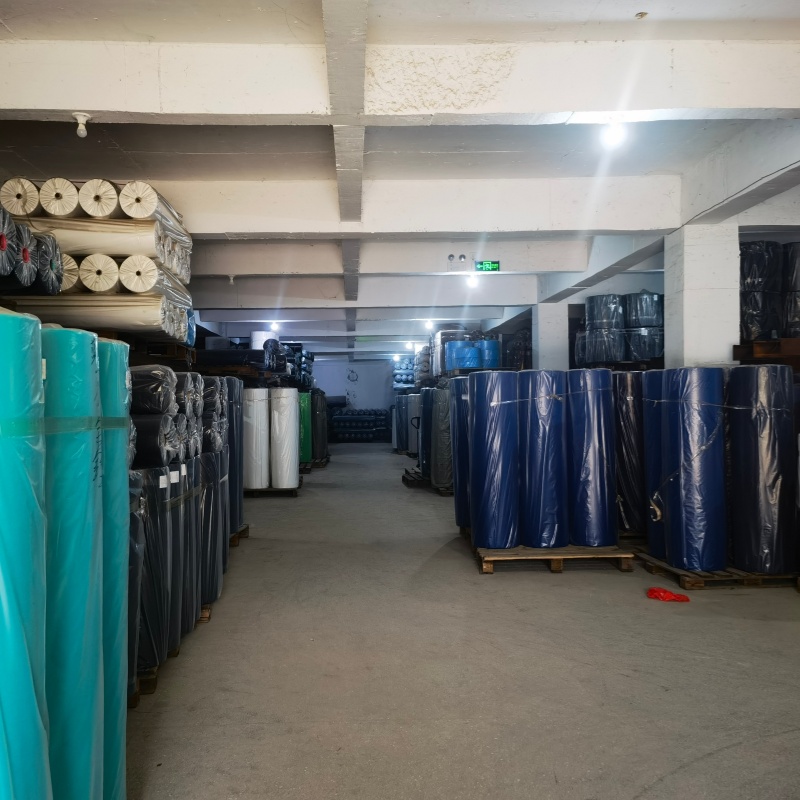
      Dear Valued Customers and Partners, did you know that proper storage is a critical factor in preserving the superior performance of our polypropylene (PP) spunbond nonwoven fabric?    Incorrect storage conditions can lead to product aging, reduced fabric strength, or even render the material unusable, ultimately disrupting your production process and final product quality. To help you maximize the potential of our high-quality non-woven products, we have prepared this detailed scientific storage guide.   Core Storage Principles:   1. Palletize and Keep Off the Ground   Use Pallets: Always place all rolls or sheets on sturdy, flat wooden or plastic pallets. This not only prevents packaging damage but also effectively isolates moisture from the floor.   No Direct Ground Contact: Never stack products directly on the ground, as even concrete floors can become damp under certain conditions, posing a latent threat to the non-woven fabric.   2. Provide an Ideal Indoor Environment   Control Temperature & Humidity: The warehouse or storage room should be kept cool and dry. We recommend an ambient temperature between 15°C - 30°C and a relative humidity of 50% - 65%.   Ensure Good Ventilation: Maintain adequate air circulation to prevent stuffiness and moisture buildup. Ensure that vents do not introduce external dust.   3. Protect from UV Light and Heat   Avoid Sunlight/UV Rays: Ultraviolet (UV) light is the primary cause of polypropylene degradation. It is essential to store nonwoven fabric in a location completely shielded from direct sunlight. Windows should be covered with blackout curtains or UV-blocking film.   Keep Away from Heat Sources: Store products away from any heat sources such as radiators, boilers, or heaters, as sustained high temperatures can cause material deformation or performance degradation.   4. Follow Stacking Guidelines   Limit Stacking Height: Adhere to the maximum number of stacking layers indicated on the packaging. Over-stacking can exert excessive pressure on the bottom rolls, causing permanent deformation and issues in subsequent processing.   Practice FIFO (First-In, First-Out): Establish and strictly follow a FIFO inventory management system. This ensures that the oldest stock is used first, preventing natural aging due to prolonged storage.   Conclusion: By following these simple storage principles, you can significantly extend the service life of your PP spunbonded nonwoven fabric, and ensure its consistent performance.   Proper storage is not only a protection for the product but also a safeguard for your production efficiency. If you have any questions regarding storage for specific application environments, please feel free to contact our technical team. Henghua Nonwoven are always here to help.    
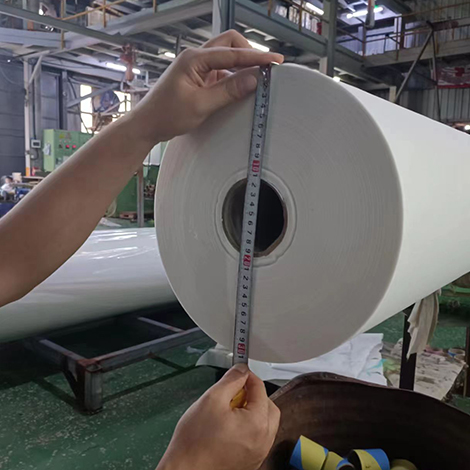
Henghua is a leading manufacturer of PP (Polypropylene) spunbond nonwoven fabric based in Fuzhou city.As one of the largest production houses in China, we operate six advanced production lines with extra two re-roller equipment.Our facilities with covers an area of 3400 square meter workshop. The gross investment arrive 100 millian YUAN.   We take pride in more than 22 years of experience in working with nonwoven fabrics.We pick only the best raw materials of Polypropylene for our products.Our customer are located all over the world.We continuously invovate our production to stay relevant.   Believe in reliable operations & consistent quality Each year, we manufacture 10,000 metric tons of quality polypropylene spunbonded non-woven fabrics from 10gram square meter to 250gram square meter and width range from 15-260cm. Our products are widely used in package industry, medical, home textile,furniture and agriculture fields, such as Shopping bags,suit bags,strorage box,face mask,pillow cover,sofa spring cover,fruit bags.. Henghua Nonwoven products are selling well in country and region such as South America, Southeast Asia, Africa, Southern Europe and South Asia. And we have been getting reputation from customers widely.  

Soclal sharing

Contact Us
Need help? +86 -591-28839008

E-mail : marketing@henghuanonwoven.com

Add : No.260 Liqi Road Hangcheng Street, Changle District, Fuzhou City, Fujian Province, China

Sign Up To Newsletter

Subscribe

Copyright @ 2026 Fuzhou Heng Hua New Material Co., Ltd. All Rights Reserved. Network Supported

Blog Sitemap Xml Privacy Policy

leave a message

leave a message
If you are interested in our products and want to know more details,please leave a message here,we will reply you as soon as we can.
submit

Home

Products

contact

Enter product details (such as color, size, materials etc.) and other specific requirements to receive an accurate quote.
leave a message
If you are interested in our products and want to know more details,please leave a message here,we will reply you as soon as we can.
Submit