Blog
Home

PP Spunbond Nonwoven

PP Spunbond Nonwoven

  • Spunbond Nonwoven: The Engine Behind Modern Materials
    Spunbond Nonwoven: The Engine Behind Modern Materials Dec 25, 2025
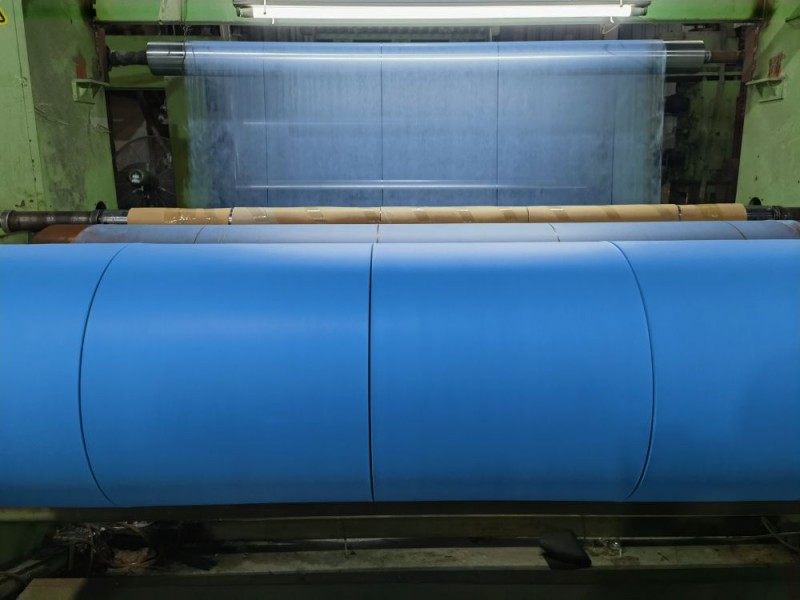
     Spunbond Nonwoven: The Engine Behind Modern Materials   At Henghua Nonwoven, we are at the heart of innovation, crafting the essential fabrics that shape everyday life. As a leading spunbond nonwoven manufacturer, we don’t just produce materials; we engineer solutions. Today, we’re diving into the world of spunbond nonwoven fabric – a versatile, durable, and indispensable material that is often unseen but always felt.    What Exactly is Spunbond Nonwoven?   Unlike traditional woven or knitted textiles made from yarn, nonwoven fabrics are made directly from fibers bonded together. The spunbond process is a specific, continuous method where we extrude molten polymer (like polypropylene, polyester, or biopolymers) through fine spinnerets to form continuous filaments. These filaments are then laid down randomly onto a moving conveyor belt and bonded together – typically using thermal, mechanical, or chemical methods – to create a strong, uniform fabric.   The result? A material with a unique set of properties: high strength-to-weight ratio, excellent breathability, liquid repellency, and consistent quality. It’s cost-effective, customizable, and incredibly reliable.    The Spunbond Process: Our Precision Engineering   As a dedicated manufacturer, our expertise lies in mastering this continuous process. It can be broken down into four key stages:   1.  Extrusion: Polymer granules are melted and forced through spinnerets, creating a curtain of continuous filaments. 2.  Drawing & Attenuation: High-speed air streams stretch and thin the filaments, aligning their molecules for enhanced strength. 3.  Web Formation: The drawn filaments are randomly dispersed onto a moving belt, forming a uniform web. 4.  Bonding: The web is consolidated, most commonly through thermal bonding (calendaring with heated rollers), which creates a smooth, strong fabric.   This controlled process allows us to tailor every aspect of the fabric to your needs: weight (gsm), width, color, strength, softness, and permeability.    Where is Spunbond Nonwoven Used? (Our Solutions in Action)   The applications are vast and growing, a testament to the material’s adaptability. At Henghua Nonwoven, we provide high-quality spunbond for critical sectors:      Hygiene & Healthcare: The backbone of disposable hygiene products. Our fabrics are trusted for diapers, feminine care products, adult incontinence products, and medical gowns/drapes due to their softness, strength, and fluid management.    Agriculture: We empower modern farming with crop covers, weed control fabrics, and seedling bags that protect plants, promote growth, and conserve water.    Geotextiles & Construction: Providing strength and stability, our fabrics are used for soil stabilization, erosion control, drainage systems, and roofing membranes.    Filtration: From HVAC filters to liquid filtration, our consistent pore structure and durability make for efficient and long-lasting filter media.    Packaging & Furniture: Lightweight yet tough, spunbond is ideal for shopping bags, protective covers, and furniture backing.    Why Partner with Henghua Nonwoven?   Choosing the right manufacturer is crucial. Here’s what sets us apart:      Vertical Integration & Quality Control: We control the process from polymer to finished roll, ensuring unmatched consistency and quality at every step.    Innovation & Customization: Our R&D team works closely with clients to develop custom fabrics for specific challenges. Need a unique color, additive (like fire retardants or UV stabilizers), or special finish? We can create it.    Commitment to Sustainability: We are actively developing solutions using recycled polymers and bio-based materials, and our efficient production process minimizes waste. We provide materials that help our clients meet their environmental goals.    Global Reach, Local Expertise: With a robust production capacity and a reliable supply chain, we serve clients worldwide, offering timely delivery and expert technical support.    Driven by Your Needs: We are more than a supplier; we are a partner. We invest in understanding your application to deliver the optimal material that enhances your product’s performance and value.    The Future is Woven with Innovation   The demand for smarter, more sustainable, and higher-performance materials is accelerating. At Henghua Nonwoven, we are committed to leading this change. We are continuously refining our processes, exploring new raw materials, and developing next-generation spunbond fabrics that are stronger, softer, and greener.   Are you looking for a reliable, innovative partner for your spunbond nonwoven needs? Explore the possibilities with Henghua Nonwoven. Let's discuss how our engineered fabrics can become the foundation for your next successful product.
  • 5 Key Advantages of Polypropylene Spunbond Nonwoven Fabric Dec 17, 2025
    Introduction: Why Material Selection Matters In manufacturing and product design, the choice of material is one of the most critical decisions you'll make. It affects everything from product performance and durability to cost and market competitiveness. Among the various options available, polypropylene (PP) spunbond nonwoven fabric has emerged as a versatile and highly effective solution for countless applications. As specialists in PP spunbond nonwoven manufacturing, we've witnessed firsthand how this material transforms products across industries. Here are five compelling advantages that make PP spunbond nonwoven an excellent choice for your next project.   1. Exceptional Cost-Effectiveness Lower Production Costs: PP resin is generally more affordable than polyester or other polymer alternatives The spunbond production process is efficient, reducing manufacturing expenses Lightweight nature means you use less material per square meter compared to heavier fabrics Value Proposition: Competitive pricing without compromising quality Ideal for high-volume applications where cost control is essential Excellent return on investment for disposable and semi-durable products Applications Benefiting Most: Disposable medical supplies Packaging materials Agricultural covers Furniture and bedding components 2. Superior Chemical Resistance Technical Advantages: Resistant to most acids, alkalis, and organic solvents Maintains integrity when exposed to chemicals that would degrade other materials Non-reactive properties make it safe for sensitive applications Industry Applications: Medical: Sterilization wraps, surgical drapes Industrial: Filtration systems, protective covers, chemical wipes Agriculture: Pesticide-resistant ground covers Cleaning: Industrial wipes for chemical spills Testing Standards Met: ISO 10993 (biological evaluation of medical devices) ASTM standards for chemical resistance Industry-specific compliance requirements 3. Lightweight Yet Durable Performance Characteristics: Low density (0.91 g/cm³) makes it one of the lightest commercially available fabrics Excellent strength-to-weight ratio Good abrasion resistance for its weight class Benefits for Manufacturers: Reduced shipping and handling costs Easier integration into final products Improved end-user comfort in wearable applications Energy savings in transportation and logistics     4. Excellent Moisture Management Properties Hydrophobic Nature: Naturally repels water and liquids Maintains dry surface characteristics Prevents moisture absorption that could lead to bacterial growth Customization Options: Can be treated to become hydrophilic for specific applications Available with various moisture management profiles Treatment options include: permanent hydrophilic, temporary hydrophilic, and gradient absorption Key Applications: Hygiene Products: Diapers, feminine care, adult incontinence products Medical: Wound dressings, surgical drapes Apparel: Inner linings, protective layers Packaging: Moisture-sensitive product protection 5. Environmental and Sustainability Benefits Recyclability: PP is 100% recyclable (resin code #5) Can be reprocessed into new nonwoven products or other plastic items Growing infrastructure for PP recycling worldwide Production Efficiency: Lower energy consumption during manufacturing compared to many alternatives Minimal waste in production process Some production processes allow for closed-loop systems Eco-Friendly Advantages: Reduced Carbon Footprint: Lighter weight means lower transportation emissions Alternative to Less Sustainable Materials: Can replace materials with higher environmental impact Long-Term Potential: Biodegradable PP options are in development How to Maximize These Advantages in Your Products Step 1: Define Your Requirements Identify which advantages matter most for your application Consider regulatory and compliance needs Evaluate cost versus performance priorities Step 2: Select the Right Specifications Weight: Choose appropriate GSM for your needs Width: Consider production efficiency and material utilization Treatments: Select surface modifications for enhanced performance Step 3: Partner with an Experienced Manufacturer Look for suppliers with technical expertise Request samples for testing Discuss customization possibilities Step 4: Test and Validate Conduct real-world performance testing Compare with alternative materials Calculate total cost of ownership Our Commitment to Quality PP Spunbond Nonwoven At Henghua Nonwoven [Fuzhou Heng Hua New Material Co.,ltd.], we've specialized in PP spunbond nonwoven manufacturing for 22 years. Our commitment extends beyond simply supplying material—we partner with our clients to ensure they maximize all the advantages this remarkable material offers. Our Capabilities Include: GSM range: 10-250 g/m² Width options: 1.6~2.5 meters Custom treatments: Hydrophobic, flame retardant, Anti-Static,Anti-Bacterial, Super Soft etc. Color matching and custom formulations Quick sampling and prototyping Quality Assurance: ISO 9001 certified manufacturing Batch-to-batch consistency Comprehensive testing and documentation Traceability throughout production   Contact us at marketing@henghuanonwoven.com  
  • Is PP the Same as Polyester? A Guide for Nonwoven Buyers
    Is PP the Same as Polyester? A Guide for Nonwoven Buyers Dec 05, 2025
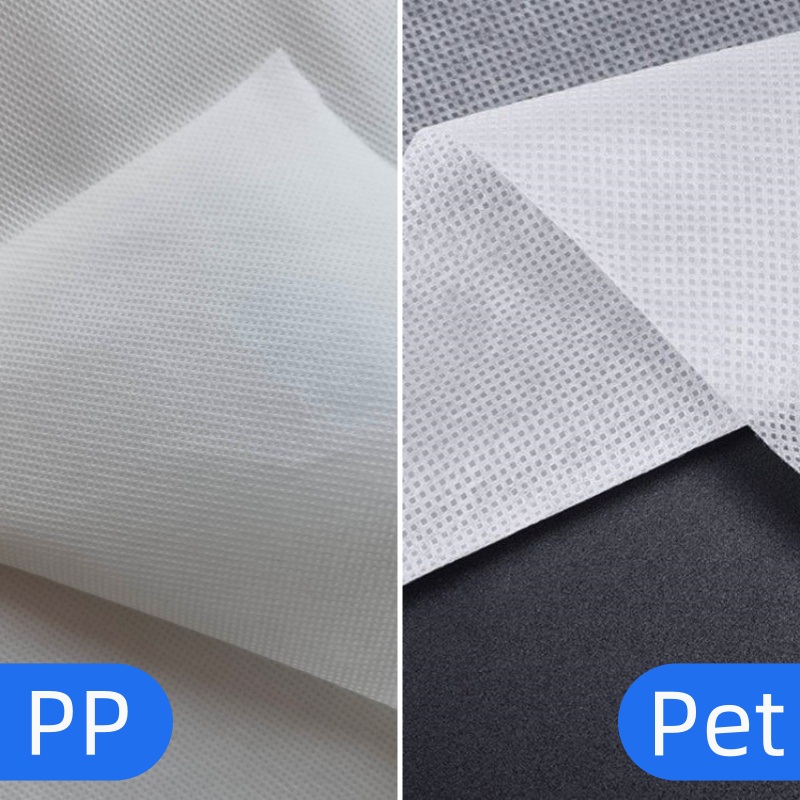
    Introduction When sourcing materials for your products, you've likely encountered both polypropylene (PP) and polyester (PET) — two of the most widely used fibers in the nonwoven industry. While both are polymers and serve similar functions in many applications, they are distinctly different materials, each with unique properties that make them suitable for specific uses.   As a professional PP spunbond nonwoven manufacturer, we're often asked: "Is PP the same as polyester?" The short answer is no — and understanding the differences can help you select the right material for your project, optimize performance, and control costs.    1. Basic Composition: How Are They Made?   Polypropylene (PP) - Derived from petroleum; a thermoplastic polymer - Often produced via spunbond or meltblown processes for nonwovens - Known for being lightweight and highly chemically resistant   Polyester (PET) - Made from purified terephthalic acid (PTA) and monoethylene glycol (MEG) - Can be manufactured as staple fiber, continuous filament, or spunbond nonwoven - Renowned for strength, durability, and moisture resistance     2. Key Property Comparison   Property Polypropylene (PP) Nonwoven Polyester (PET) Nonwoven Strength Good tensile strength Higher tensile strength Weight Lighter (lower density) Heavier Moisture Absorption Hydrophobic (repels water) Hydrophilic (can be treated) Chemical Resistance Excellent resistance to acids, alkalis Good, but less than PP UV Resistance Poor (degrades in sunlight) Excellent UV resistance Thermal Resistance Melts around 160°C Withstands higher temperatures (up to 250°C) Cost Generally more economical Often higher priced Recyclability Recyclable Recyclable (widely recycled as PET)      3. Which Should You Choose? Application-Based Recommendations   Choose PP Nonwoven When: - You need cost-effective, lightweight material (e.g., disposable medical gowns, shopping bags, furniture lining) - Chemical resistance is crucial (e.g., filters, protective covers, industrial wipes) - Your product requires water-repellent properties (e.g., hygiene products, agricultural covers) - You prioritize softness and comfort (e.g., diaper liners, sanitary products)   Choose Polyester Nonwoven When: - You need high strength and durability (e.g., geotextiles, roofing materials, shoe linings) - UV resistance and outdoor use are important (e.g., landscaping fabric, outdoor furniture) - Thermal resistance is required (e.g., insulation, automotive interiors) - Moisture-wicking is desired (e.g., sportswear lining, towel substrates)    4. Common Myths Debunked   Myth 1: "PP and polyester are interchangeable" Fact: They perform differently under stress, temperature, and environmental conditions.   Myth 2: "Polyester is always better because it's stronger" Fact: PP is often preferable when weight, cost, or chemical resistance are priorities.   Myth 3: "PP is not eco-friendly" Fact: PP is fully recyclable and requires less energy to produce than many alternatives.    5. Tips for Buyers   1. Define your priorities — List required properties: strength, weight, chemical/UV resistance, lifespan, and budget 2. Request samples — Test both materials in real-world conditions before large-scale ordering 3. Consult your supplier — Share your application details; a trusted manufacturer can recommend the best fit 4. Consider hybrid or composite materials — Sometimes a PP/PET blend offers the perfect balance    6. Why Choose Us as Your PP Spunbond Nonwoven Supplier? At Henghua Nonwoven, we specialize in high-quality polypropylene spunbond nonwoven fabrics tailored to your needs. Whether you require standard or custom weight/width, anti-uv, antistatic,hydrophobic treatment, color matching, or specialized functionalities (antibacterial, flame retardant, etc.), we provide not only nonwoven roll but also technical guidance to help you select between PP, polyester, or other options.   We Ensure: - Consistent quality & reliable supply - Competitive pricing - Quick sampling and lead times - Professional customer and technical support   Still Unsure Which Material Is Right for You?  Contact our team today for a free consultation and sample testing. Let us help you make an informed choice that enhances your product's performance and value.  Email: marketing@henghuanonwoven.com Website: www.henghuanonwoven.com          
  • How to Choose the Right Weight & Specification of Spunbond Nonwoven Fabric for Your Project Nov 24, 2025
        Navigating the technical specifications of polypropylene spunbond nonwoven fabric can be daunting. With terms like GSM, tensile strength, and elongation, it's easy to feel overwhelmed. But fear not! As a trusted polypropylene spunbond nonwoven manufacturer, Henghua Nonwoven is here to demystify the process and empower you to select the perfect material for your application. The most common mistake is choosing a fabric based on price or a single property alone. A holistic view of specifications is key to performance and cost-effectiveness.   1. The Foundation: Understanding Fabric Weight (GSM) What it is: GSM stands for Grams per Square Meter. It is the single most important parameter, indicating the mass (and generally, the density) of the fabric.   Why it matters: GSM directly correlates with: Durability: Higher GSM typically means a thicker, stronger, and more durable fabric. Opacity: A higher GSM fabric is less see-through. Cost: Since you pay by weight, a higher GSM usually means a higher cost per square meter.   Quick Guide: Low GSM (10-30 gsm): Ultra-lightweight. Ideal for disposable medical face mask, bouffant cap and lightweight hygiene covers. Medium GSM (40-80 gsm): The workhorse range. Perfect for shopping bags, agricultural crop covers, furniture backing, and certain geotextile applications. High GSM (90-200+ gsm): Heavy-duty. Used for robust geotextiles, industrial packaging, durable totes, and carpet backing.   2. Matching Strength to Stress: Tensile and Tear Strength What it is: Tensile strength measures the force required to pull the fabric apart. Tear strength measures resistance to ripping once a tear has started. Why it matters: If your fabric will be under tension (like in a heavy grocery bag) or exposed to punctures (like in a geotextile under gravel), strength is paramount. Ask yourself: "Will my product be stretched, pulled, or bear a load?" If yes, prioritize tensile strength. Ask yourself: "Is it likely to get snagged or punctured?" If yes, prioritize tear strength.   3. Considering the Environment: UV Resistance and Additives UV Resistance: Standard polypropylene degrades in direct sunlight. For outdoor applications (agriculture, geotextiles), you must specify UV-stabilized fabric to ensure a long service life. Additives: Fabrics can be customized with additives for: Fire Retardancy: For applications requiring enhanced fire safety. Antistatic Properties: For protecting sensitive electronic components during packaging or manufacturing.   Your Step-by-Step Selection Checklist: To make the process easy, walk through these questions with your team or your supplier: Primary Function: What is the fabric's main job? (e.g., bags, cover, reinforcement, wrapping). End-Use Environment: Will it be used indoors, outdoors, in contact with chemicals, or in a sterile setting? Required Lifespan: Is it for a single-use disposable product or a long-term (e.g., 5-year) project? Physical Stress: What kind of strength is needed? (Tensile, tear, puncture). Regulatory Compliance: Are there specific industry standards it must meet? (e.g., medical, food contact). Conclusion: Partner with Experts for the Perfect Fit While this guide provides a solid foundation, the best way to ensure success is to collaborate with an experienced manufacturer. At Henghua Nonwoven we don't just take orders—we provide solutions. Our technical experts can guide you from the concept stage to material selection, ensuring you get a fabric that performs perfectly without paying for unnecessary specifications. Don't leave your project to chance. Contact us for a free consultation and let us help you select the ideal spunbond nonwoven fabric. We also provide fabric sample sheets so you can test and feel the quality for yourself.
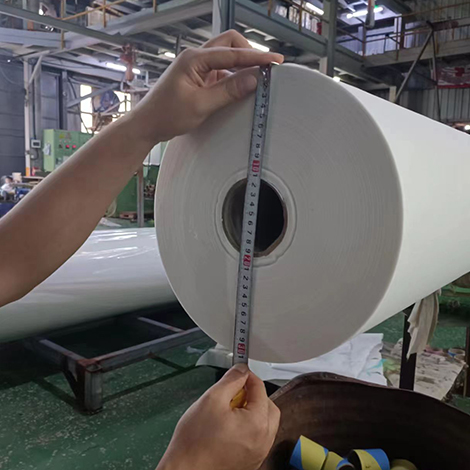
Henghua is a leading manufacturer of PP (Polypropylene) spunbond nonwoven fabric based in Fuzhou city.As one of the largest production houses in China, we operate six advanced production lines with extra two re-roller equipment.Our facilities with covers an area of 3400 square meter workshop. The gross investment arrive 100 millian YUAN.   We take pride in more than 22 years of experience in working with nonwoven fabrics.We pick only the best raw materials of Polypropylene for our products.Our customer are located all over the world.We continuously invovate our production to stay relevant.   Believe in reliable operations & consistent quality Each year, we manufacture 10,000 metric tons of quality polypropylene spunbonded non-woven fabrics from 10gram square meter to 250gram square meter and width range from 15-260cm. Our products are widely used in package industry, medical, home textile,furniture and agriculture fields, such as Shopping bags,suit bags,strorage box,face mask,pillow cover,sofa spring cover,fruit bags.. Henghua Nonwoven products are selling well in country and region such as South America, Southeast Asia, Africa, Southern Europe and South Asia. And we have been getting reputation from customers widely.  

Soclal sharing

Contact Us
Need help? +86 -591-28839008

E-mail : marketing@henghuanonwoven.com

Add : No.260 Liqi Road Hangcheng Street, Changle District, Fuzhou City, Fujian Province, China

Sign Up To Newsletter

Subscribe

Copyright @ 2026 Fuzhou Heng Hua New Material Co., Ltd. All Rights Reserved. Network Supported

Blog Sitemap Xml Privacy Policy

leave a message

leave a message
If you are interested in our products and want to know more details,please leave a message here,we will reply you as soon as we can.
submit

Home

Products

contact

Enter product details (such as color, size, materials etc.) and other specific requirements to receive an accurate quote.
leave a message
If you are interested in our products and want to know more details,please leave a message here,we will reply you as soon as we can.
Submit