Blog
Home

polypropylene spunbond nonwoven

polypropylene spunbond nonwoven

  • Beyond the Mask-Why Spunbond Nonwoven Fabric is the Backbone of Modern Healthcare Apr 10, 2026
    When you think of medical textiles, your mind might go to cotton gauze or surgical steel. But walk through any hospital today, and you will be surrounded by a material you likely cannot see clearly—spunbond nonwoven fabric, specifically made from polypropylene (PP).   From the moment you enter an operating room to the disposal of a single-use gown, spunbond fabric is quietly performing critical tasks that woven textiles simply cannot match. But why has this material become the gold standard for medical and hygiene applications? Let's explore.     The Healthcare Challenge: Safety vs. Cost Healthcare providers face a unique dilemma. They need materials that are sterile, protective, and disposable, yet also cost-effective and environmentally conscious (through efficient incineration or recycling). Traditional woven cotton fails here—it absorbs fluids (breeding grounds for bacteria), sheds lint, and is expensive to sterilize repeatedly. Spunbond nonwoven fabric solves all of these problems.     Key Properties That Save Lives Our polypropylene spunbond nonwoven is engineered specifically for medical environments. Here's what makes it indispensable: Bacterial BarrierUnlike woven fabrics with visible pores, spunbond fabric has a random fiber matrix that blocks microbial penetration. When used in surgical drapes and gowns, it dramatically reduces post-operative infection risks. Fluid Repellency (Hydrophobic)Polypropylene naturally repels water and blood. This is critical in operating rooms where fluid strike-through can transfer pathogens from patient to surgeon. For applications requiring absorption (like wound dressings), we can easily treat the surface to make it hydrophilic. Lint-Free & Low ParticulateCotton sheds fibers that can fall into open incisions or clog HVAC filters in cleanrooms. Spunbond fabric is thermally bonded—no adhesives, no loose fibers. This makes it ideal for sterile packaging and pharmaceutical cleanrooms. Breathable Yet ProtectiveWhile blocking fluids and bacteria, spunbond allows air and water vapor to pass through. Surgeons wearing spunbond gowns stay cooler and more comfortable during long procedures compared to impervious plastic alternatives. Cost-Effective DisposabilitySterilization (using ethylene oxide or gamma radiation) is straightforward and inexpensive. After single use, the fabric can be incinerated cleanly, as polypropylene contains no halogens or heavy metals.     Common Medical & Hygiene Applications Here is where you will find our spunbond fabric in action:     Application Why Spunbond? Surgical masks Filters particles; lightweight and comfortable Isolation gowns Fluid barrier; breathable; tear-resistant Surgical drapes & packs Sterile field protection; lint-free Wound dressings Can be treated for absorption; non-adherent options available Sterile packaging Breathable seal; withstands gamma sterilization Diapers & sanitary napkins Soft top sheet (treated hydrophilic) and fluid barrier back sheet Wet wipes Strong when wet; lint-free; chemically inert Medical mattress covers Fluid-proof; reduces cross-contamination     The COVID-19 Effect: A Material That Stepped Up The pandemic highlighted just how vital spunbond nonwoven fabric is. When the world needed billions of masks and gowns overnight, polypropylene spunbond was the only material that could be scaled quickly, cost-effectively, and reliably. Factories that once made shopping bags pivoted to producing medical-grade protective equipment because the underlying material—polypropylene spunbond—is fundamentally the same. Only the specifications (GSM, width, additive package) change.     Quality Matters: What to Look For Not all spunbond fabric is suitable for medical use. At [Your Company Name], our medical-grade spunbond meets strict standards: Basis weight: 10 to 100 GSM (typical medical gowns: 30–50 GSM; masks: 20–25 GSM) Hydrostatic head resistance: Verified fluid barrier performance Bacterial filtration efficiency (BFE): Tested for mask and drape applications UV stability: Not required for indoor medical use, but we offer sterile-grade packaging Additives: Antioxidants and processing aids only—no toxic stabilizers     Conclusion The next time you see a surgeon in an operating room or open a sterile bandage, remember: behind that simple white fabric is decades of materials science.  Spunbond nonwoven fabric—made from polypropylene—has redefined what healthcare textiles can do. It protects patients. It protects providers. And it does so at a cost that makes single-use sterility possible for everyone. Looking for medical-grade spunbond nonwoven fabric? HENGHUA Nonwoven produces certified, customizable PP spunbond for hygiene and healthcare applications worldwide. Contact us for technical data sheets, samples, or a quotation.
  • What Is Spunbond Fabric Made Of? A Deep Dive into Its Composition Mar 27, 2026
    When you hear the term "non-woven fabric," the first thing that often comes to mind is polypropylene spunbond. It’s one of the most versatile materials on the market today, found in everything from medical gowns to shopping bags and agricultural covers. But have you ever stopped to wonder: What is spunbond fabric actually made of? If you are in the market for high-quality polypropylene spunbond nonwoven fabric, understanding its composition is key to appreciating why it outperforms traditional textiles in so many applications.   The Primary Ingredient: Polypropylene (PP) At its core, spunbond fabric is made from 100% virgin polypropylene (PP) , a type of thermoplastic polymer. Unlike woven fabrics (like cotton or polyester thread) that are knitted or woven together, spunbond fabric is created by a single, continuous process. Here’s how the raw material transforms into the final product:   Extrusion: Polypropylene chips (resin) are melted down at high temperatures. Spinning: The molten polymer is forced through a spinneret (think of it like a showerhead) to create continuous fine filaments. Drawing: These filaments are stretched by high-speed air to align the molecular chains, giving the fiber its strength. Web Formation: The continuous filaments are laid down onto a conveyor belt to form a uniform web. Bonding: Finally, the web passes through heated rollers (calendering) that bond the filaments together without the use of glue, adhesives, or stitching.   Why Polypropylene? You might wonder why polypropylene is the material of choice for spunbond manufacturing. The answer lies in its unique chemical and physical properties:   Chemical Inertness: Polypropylene is resistant to acids, alkalis, and organic solvents. This makes spunbond fabric ideal for medical, industrial, and agricultural applications where exposure to chemicals is common. Hydrophobic Nature: The material naturally repels water. While it is breathable (allowing air to pass through), it does not absorb moisture. For applications requiring absorption, manufacturers can easily treat the surface to make it hydrophilic. Lightweight Strength: Polypropylene has one of the highest strength-to-weight ratios among plastics. You can achieve a very strong fabric at a low basis weight (GSM). Thermal Bonding: Unlike other plastics, polypropylene bonds easily under heat and pressure, allowing for the seamless calendering process mentioned above.   Is It Just Polypropylene? While polypropylene is the standard for the majority of spunbond products (especially our propylene spunbond nonwoven series), the composition can vary slightly depending on the desired end-use:   Multilayer Composites (SMS): Sometimes, spunbond is combined with meltblown layers. While the spunbond layers remain polypropylene, the meltblown layer is also polypropylene, just with finer fibers to create barrier properties. Additives: To enhance performance, additives are mixed with the polypropylene resin during extrusion. These include: UV Stabilizers: To prevent degradation from sunlight for agricultural or outdoor uses. Flame Retardants: For furniture and industrial applications. Antioxidants: To ensure longevity and prevent yellowing. Pigments: To create custom colors beyond natural white.   Conclusion So, to answer the question: Spunbond fabric is primarily made of polypropylene resin. Through a sophisticated extrusion and bonding process, this raw plastic is transformed into a soft, strong, durable, and versatile fabric. Whether you need a lightweight fabric for protective apparel or a heavy-duty sheet for geotextiles, understanding that you are working with a high-quality polypropylene spunbond ensures you are choosing a material that offers durability, cost-efficiency, and recyclability.   Looking for a reliable supplier of spunbond nonwoven fabric?  Henghua Nonwoven specializes in customizing polypropylene spunbond to meet your exact specifications—from GSM (weight) to width and color. Email: Marketing@henghuanonwoven.com
  • Why Polypropylene Spunbond Nonwoven? The Ultimate Guide to Its Key Features & Benefits
    Why Polypropylene Spunbond Nonwoven? The Ultimate Guide to Its Key Features & Benefits Nov 24, 2025
    In the world of nonwoven fabrics, polypropylene spunbond stands out as a versatile and cost-effective champion. But what exactly makes it such a popular choice across industries from hygiene to agriculture? At [Your Company Name], we're breaking down the science behind the material to help you make an informed decision.   1. Unmatched Lightweight & Cost-EfficiencyPolypropylene spunbond nonwoven is incredibly lightweight. This translates directly into material savings and reduced shipping costs. You get more square meters per kilogram, making it an economically smart choice without compromising on performance. 2. Exceptional Strength & DurabilityDon't let its light weight fool you. The spunbond process involves extruding and bonding continuous filaments, resulting in a fabric with excellent tensile and tear strength. This makes it reliable for demanding applications, from heavy-duty shopping bags to robust geotextiles. 3. Superior BreathabilityThe porous structure of spunbond nonwoven fabric allows air and moisture vapor to pass through easily. This key feature is crucial for products like hygiene materials (diapers, feminine care) and medical fabrics (surgical gowns, drapes), where comfort and skin health are paramount. 4. Hydrophobic Nature: Excellent Moisture ResistancePolypropylene is inherently hydrophobic, meaning it repels water. It does not absorb moisture, keeping the surface dry and preventing the growth of bacteria and mildew. This makes it ideal for applications requiring a moisture barrier or where liquid resistance is needed. 5. Chemically Inert & HypoallergenicThis material is resistant to a wide range of chemicals and is non-allergenic. It is safe for direct contact with skin, making it the top choice for disposable medical and hygiene products. Its inert nature also ensures it doesn't react with stored goods in packaging applications. 6. An Eco-Conscious ChoicePolypropylene spunbond nonwoven is 100% recyclable. Furthermore, its efficient manufacturing process often has a lower carbon footprint compared to traditional woven textiles. For projects focused on sustainability, it can be a key component in creating a greener product lifecycle.   Conclusion: The Smart Material SolutionAt Henghua Nonwoven, we specialize in manufacturing high-quality polypropylene spunbond nonwoven fabrics tailored to your specific needs. Whether you prioritize strength, breathability, or cost-effectiveness, our materials are engineered to deliver. Ready to leverage the benefits of polypropylene spunbond for your next project? Contact us today to discuss your requirements and request free samples!      
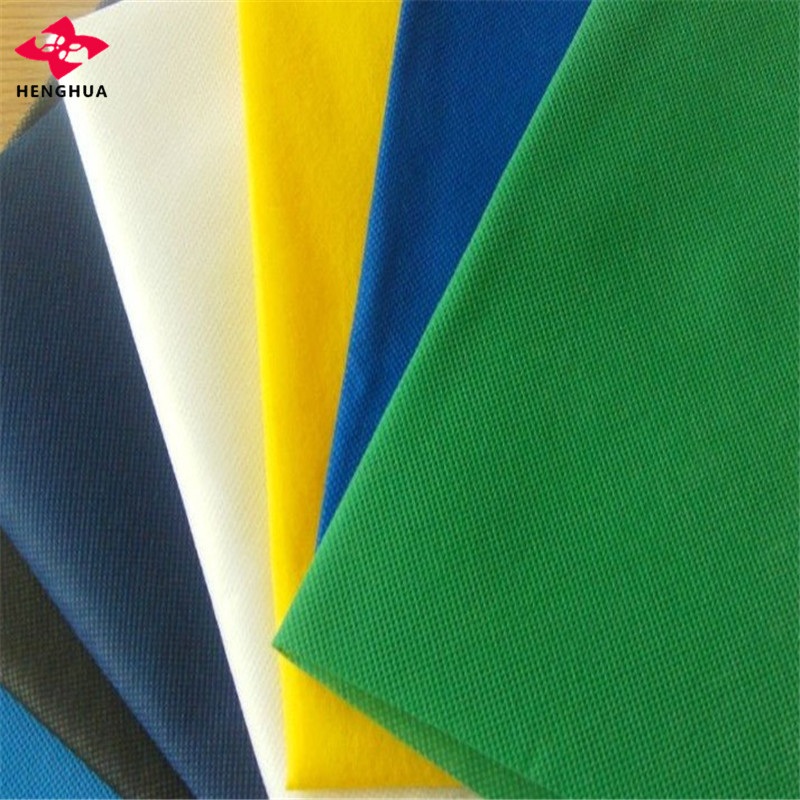
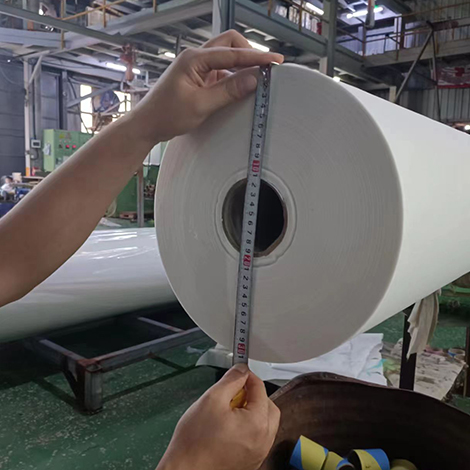
Henghua is a leading manufacturer of PP (Polypropylene) spunbond nonwoven fabric based in Fuzhou city.As one of the largest production houses in China, we operate six advanced production lines with extra two re-roller equipment.Our facilities with covers an area of 3400 square meter workshop. The gross investment arrive 100 millian YUAN.   We take pride in more than 22 years of experience in working with nonwoven fabrics.We pick only the best raw materials of Polypropylene for our products.Our customer are located all over the world.We continuously invovate our production to stay relevant.   Believe in reliable operations & consistent quality Each year, we manufacture 10,000 metric tons of quality polypropylene spunbonded non-woven fabrics from 10gram square meter to 250gram square meter and width range from 15-260cm. Our products are widely used in package industry, medical, home textile,furniture and agriculture fields, such as Shopping bags,suit bags,strorage box,face mask,pillow cover,sofa spring cover,fruit bags.. Henghua Nonwoven products are selling well in country and region such as South America, Southeast Asia, Africa, Southern Europe and South Asia. And we have been getting reputation from customers widely.  

Soclal sharing

Contact Us
Need help? +86 -591-28839008

E-mail : marketing@henghuanonwoven.com

Add : No.260 Liqi Road Hangcheng Street, Changle District, Fuzhou City, Fujian Province, China

Sign Up To Newsletter

Subscribe

Copyright @ 2026 Fuzhou Heng Hua New Material Co., Ltd. All Rights Reserved. Network Supported

Blog Sitemap Xml Privacy Policy

leave a message

leave a message
If you are interested in our products and want to know more details,please leave a message here,we will reply you as soon as we can.
submit

Home

Products

contact

Enter product details (such as color, size, materials etc.) and other specific requirements to receive an accurate quote.
leave a message
If you are interested in our products and want to know more details,please leave a message here,we will reply you as soon as we can.
Submit