Blog
Home

Blog

Blog

  • How to Choose the Right Spunbond Nonwoven Fabric Gram Weight? – Your Guide to Balancing Cost & Performance Jan 15, 2026
    Meta Description: Confused about GSM for spunbond nonwoven? This guide from Fuzhou Henghua New Material Co., Ltd. helps you choose the perfect gram weight for your application, balancing strength, function, and cost. Choosing the right gram weight (GSM – grams per square meter) for your spunbond nonwoven fabric is one of the most critical and common decisions you'll make. Get it right, and you have a cost-effective product that performs perfectly. Get it wrong, and you might face issues with durability, functionality, or unnecessary expenses. At Fuzhou Henghua New Material Co., Ltd., we understand this dilemma. As a professional spunbond nonwoven fabric manufacturer, we’re here to demystify the selection process. This guide will help you navigate the balance between cost and performance. Understanding Gram Weight: It’s All About Density Simply put, gram weight measures the mass of fabric per unit area. A higher GSM generally means: Increased thickness and opacity Greater tensile and tear strength Improved durability and barrier properties Higher material cost per square meter A lower GSM means: Enhanced softness and flexibility Better breathability Lower material cost Reduced bulk and weight     Matching Gram Weight to Your Application: A Practical Guide Here’s a breakdown of common GSM ranges and their ideal uses: 1. Lightweight (10 – 25 GSM) Typical Uses: Facing layer for feminine hygiene products (panty liners, light pads), disposable wipes, lightweight packaging, interlinings. Why: Offers excellent softness, fluid acquisition, and breathability while minimizing material usage and cost. Perfect for applications where direct skin contact and comfort are priorities. 2. Medium Weight (25 – 60 GSM) Typical Uses: Medical fabrics (surgical gowns, drapes, bed sheets), furniture backing, mattress protectors, geotextiles for erosion control, agriculture cover (frost protection, weed control). Why: This is the most versatile range. It provides a robust balance of strength, barrier properties, and cost. Fabrics in this range are durable enough for single-use medical PPE or medium-duty agricultural applications. 3. Heavy Weight (60 – 150+ GSM) Typical Uses: Heavy-duty geotextiles, carpet backing, industrial wipes, durable shopping bags, automotive interiors, and coating substrates. Why: Prioritizes maximum strength, stability, and durability. These fabrics are engineered for demanding environments where mechanical stress and long-term performance are key. Beyond GSM: The Total Cost Consideration While the per-square-meter price increases with GSM, it’s crucial to think about Total Cost of Ownership. Could a slightly heavier fabric extend product life or prevent failures, saving money in the long run? Could a slightly lighter fabric work just as effectively, reducing raw material costs and shipping weight? Performance Consistency: Choosing a reliable manufacturer like Fuzhou Henghua ensures the GSM you order is the GSM you get, with minimal deviation across the roll and between batches. This consistency prevents production issues and waste in your own factory. Your Next Step: Partner with an Expert The best choice depends on your specific machinery, end-product requirements, and budget. Theoretical knowledge meets practical experience here. At Fuzhou Henghua New Material Co., Ltd., we don’t just sell fabric; we provide solutions. Our technical team can help you analyze your needs and recommend the optimal gram weight, width, and any required additives (like UV resistance or hydrophilic treatment). Ready to find your perfect match? Contact our sales team with your application details. Request free samples of different GSM options to test on your equipment. Get a tailored quotation based on your specific project needs. Let us help you make an informed decision that optimizes both performance and cost-efficiency. Contact Fuzhou Henghua New Material Co., Ltd. today for your spunbond nonwoven solution!                              
  • From Field to Shelf: The Versatile Journey of PP Spunbond Nonwoven Fabric Jan 14, 2026
    A truly remarkable material is one that solves problems in seemingly disparate fields with equal effectiveness. Polypropylene (PP) Spunbond Nonwoven Fabric is such a material, playing a silent yet crucial role from the very beginning of the supply chain in agriculture to the final point of sale on the retail shelf.   Part 1: Guardian of the Field – PP Spunbond in Protective Agriculture Modern agriculture relies on technology to increase yield, protect crops, and conserve resources. PP Spunbond is an essential tool in this endeavor: Weed Control & Soil Protection: Agricultural mulch fabric made from durable, UV-stabilized PP Spunbond suppresses weed growth without herbicides, conserves soil moisture, and regulates soil temperature. This leads to healthier plants, reduced water usage, and higher-quality yields. Frost & Pest Protection: Used as a floating crop cover, this lightweight fabric acts as a protective blanket. It shields young plants from unexpected frost, prevents damage from birds and insects, and can even create a microclimate that accelerates growth. Tree & Root Protection: In nurseries and landscaping, PP fabric is used for tree wrapping and as a barrier for root balls, protecting sensitive bark and roots during transport and transplanting. The key here is durability and breathability. Unlike plastic films, spunbond allows air and water to pass through while providing robust physical protection, making it ideal for long-term agricultural applications.   Part 2: Protector of the Product – PP Spunbond in Industrial and Retail Packaging The strength, flexibility, and cleanliness of PP Spunbond make it a superior choice for packaging solutions that demand more than just a container: Durable Protective Packaging: It is widely used as a protective wrap for furniture, automotive parts, and delicate machinery. Its high tensile strength and puncture resistance prevent scratches and damage during storage and shipping far better than thin plastic or paper. The Ideal Bag Material: From reusable totes to high-end gift bags and soil bags for gardening, PP Spunbond offers a premium, cloth-like feel with excellent printability for branding. It is more durable than paper and more sustainable than single-use plastic bags. Composite Material Backbone: PP Spunbond often serves as the strong, stable scrim or backing layer in laminated packaging materials, adding tear resistance and structure to other functional layers. The Common Thread: Performance Meets Practicality Whether in the field or the warehouse, PP Spunbond succeeds because of its consistent core properties: excellent strength-to-weight ratio, moisture resistance, breathability (where needed), and cost-effectiveness. It’s a versatile workhorse that provides reliable, high-value performance.   Bridging Industries with One Reliable Material At Henghua Nonwoven, we understand the unique needs of both agricultural and packaging industries. We produce tailored PP Spunbond fabrics—with specific weights, UV treatments, colors, and finishes—to excel in each environment. From safeguarding the season’s harvest to ensuring your products arrive in perfect condition, our fabrics are engineered for the journey. Contact us discuss your specific application challenge.    
  • The Eco-Friendly Choice: How PP Spunbond Nonwoven Supports Your Sustainable Business Goals Jan 14, 2026
    In today’s global marketplace, sustainability is no longer just a buzzword—it’s a critical business imperative. Consumers are making choices based on environmental impact, and regulations are tightening. For businesses across industries, from hygiene and medical to furniture and packaging, finding materials that balance performance with eco-responsibility is key. This is where Polypropylene (PP) Spunbond Nonwoven Fabric shines as a forward-thinking solution.   Why PP Spunbond Aligns with the Circular Economy At its core, sustainability is about reducing waste and maximizing resources. PP Spunbond is inherently aligned with these principles: Recyclability: Polypropylene is a thermoplastic polymer, meaning it can be melted and reformed multiple times without a significant loss of its core properties. Post-industrial and post-consumer PP waste can be effectively recycled into new nonwoven fabrics or other plastic products, supporting a circular lifecycle. Resource Efficiency: The spunbond manufacturing process is remarkably efficient. It transforms polymer granules directly into fabric in one continuous step, minimizing energy consumption and material waste compared to traditional woven textiles that involve multiple, separate processes like spinning, weaving, and cutting. Durability & Lightweight: Products made from PP Spunbond are strong and long-lasting, reducing the need for frequent replacement. Its exceptional strength-to-weight ratio means you use less material to achieve the required performance, which translates to lower carbon emissions in transportation.   Beyond “Green”: The Practical Advantages for Your Business Choosing PP Spunbond isn’t just an environmental statement; it’s a smart business decision that delivers tangible benefits: Meeting Compliance & Enhancing Brand Image: Using a recyclable material helps you comply with increasingly stringent Extended Producer Responsibility (EPR) laws and packaging directives in many regions. It allows you to credibly market your products as eco-friendlier, strengthening your brand’s appeal to conscious consumers. Replacing Less Sustainable Options: PP Spunbond is an excellent alternative to materials with a heavier environmental footprint. It can replace certain single-use plastics, non-recyclable laminates, or even natural fibers whose cultivation requires significant water and land use. Versatility for Sustainable Product Lines: From reusable shopping bags and washable protective covers to the inner layers of hygiene products designed with end-of-life in mind, PP Spunbond provides the functional backbone for a wide range of sustainable product innovations.   Partnering for a Greener Future Transitioning to sustainable operations requires the right partners. At [Your Company Name], we don’t just supply PP Spunbond fabric; we provide material solutions that help you achieve your corporate sustainability goals.   We offer guidance on material selection, weight optimization, and can discuss options quality recycled PP material to further reduce your product’s environmental impact. Ready to make a switch that benefits both the planet and your bottom line? Explore our range of eco-conscious PP Spunbond Nonwoven Fabrics today, and let’s build a more sustainable future together. Contact us for a consultation and samples.   Email: Marketing@henghuanonwoven.com  
  • Unveiling the Future: Key Trends and Opportunities in the Spunbond Nonwoven Fabric Industry Jan 08, 2026
    As a leading manufacturer of high-quality polypropylene spunbond nonwoven fabric, Fuzhou Henghua New Material Co., Ltd. consistently looks ahead. The global demand for industrial nonwovens is poised for significant growth, with an expected compound annual growth rate (CAGR) of 8.2%, reaching a market value of $43.68 billion by 2029. This surge is driven by evolving needs across key industries, presenting exciting opportunities for innovation and partnership. Understanding these trends is crucial for businesses seeking reliable, high-performance, and versatile material solutions. Let's explore the primary growth sectors where our custom-engineered fabrics are making a substantial impact. 1. Construction & Geotextiles: Building a Stronger Foundation The construction sector remains the largest consumer of industrial nonwovens by volume, accounting for 24.5% of demand. The push for energy-efficient buildings is a major driver, increasing the need for high-performance house wrap materials that offer superior moisture management and air barrier properties. Furthermore, public investment in infrastructure fuels the demand for geotextiles. These fabrics are essential for applications like agricultural drainage liners, erosion control, and roadbed stabilization. With climate change leading to more unpredictable weather, the requirement for durable, heavy-duty materials for soil and water management is set to rise. Spunbond fabrics, known for their strength and consistency, are perfectly suited for these demanding, long-term applications. How Henghua Can Help: We produce robust fabrics ideal for construction underlays and geotextile membranes. Our ability to customize weight (from 10gsm to 250gsm), width (up to 255cm), and color ensures you get a material precisely engineered for your specific project requirements and environmental conditions. 2. Filtration: The Clear Leader in Growth The filtration segment is projected to be the most profitable end-use for nonwovens by the end of the decade, with growth rates expected to reach double-digit CAGRs. This spans both air and liquid filtration. Air Filtration: The heightened focus on air quality and virus control has led to a sustained increase in demand for fine filtration media, a trend that continues to drive innovation and investment. Liquid Filtration: As global economies improve, the demand for liquid filtration in applications like food and beverage processing, water treatment, and medical devices (e.g., blood filters) is set to grow. Spunbond fabrics are widely used as supportive substrates in complex filter assemblies or for filtering coarse particles due to their uniform structure and strength. How Henghua Can Help: We provide consistent, high-quality spunbond fabric that serves as an excellent base for various filtration media. Our controlled porosity and customizable fabric characteristics allow for the development of efficient filtration solutions tailored to specific particulate or fluid challenges. 3. Automotive Manufacturing: Driving Lightweight Innovation The automotive industry is undergoing a significant transformation, and nonwovens are at the heart of it. Accounting for 13.7% of global industrial nonwoven use, these materials are found in cabin headliners, trunk liners, floor coverings, insulation, and filtration systems. The shift toward Electric Vehicles (EVs) is a powerful catalyst. Reducing vehicle weight to extend battery range is a top priority, creating a strong demand for performance-driven, lightweight substrates. Additionally, the absence of traditional engine noise places a higher premium on advanced acoustic insulation materials. Notably, a new frontier has emerged: EV battery components. Nonwoven fabrics are being actively developed and used as separators in lithium-ion batteries, with research focusing on ceramic-coated wet-laid and even coated spunbond materials for enhanced safety and performance. How Henghua Can Help: We support automotive innovation by supplying lightweight, durable, and customizable fabrics for interior trim and insulation. Our technical capabilities position us to collaborate on developing material solutions for the next generation of automotive applications, including specialized battery components. 4. Sustainable Agriculture & Protective Packaging Beyond these core industrial sectors, spunbond nonwovens are essential in agriculture and modern packaging. In farming, they are used for crop covers that protect against pests and frost while allowing light and water to penetrate. In packaging, the demand for durable, breathable, and cost-effective materials is rising, especially for reusable shopping bags and protective wrapping. Partner with Henghua for Your Next Project At Fuzhou Henghua New Material Co., Ltd., we combine over 18 years of manufacturing expertise with a forward-looking approach. Our ISO 9001:2015 certified production ensures every meter of fabric meets the highest standards of quality and reliability. We understand that the future is not one-size-fits-all. That's why we specialize in customization: Weight: 10gsm to 250gsm Width: 15cm to 255cm Color: Fully customizable to match your product or branding needs. Length: Tailored rolls to minimize waste and optimize your production process. Whether you are innovating in construction, developing a new filtration system, engineering the next generation of vehicles, or creating sustainable packaging, we provide the material foundation for your success. Contact Fuzhou Henghua New Material Co., Ltd. today to discuss how our premium spunbond nonwoven fabrics can be customized for your specific application and help you capture these growing market opportunities.  
  • Introduction to PP spunbond nonwoven fabric Jan 04, 2026
    Introduction to PP spunbond nonwoven fabric 1、 Basic Definition and Composition PP spunbond non-woven fabric is one of the mainstream categories of non-woven fabric. It is a non-woven fabric made by melting and extruding polypropylene polymer at high temperature, stretching it into continuous filaments, laying them into a net, and then using processes such as thermal bonding, self bonding, chemical bonding, or mechanical reinforcement. High quality products are made by melting 100% pure polypropylene. Adding calcium carbonate will cause a decrease in quality, and these products are not suitable for use in medical and health settings. 2、 Core Features Excellent physical properties, gentle and soft heterogeneity, good bidirectional fastness, excellent high temperature resistance, melting point between 164~170 ℃, can be disinfected and sterilized at high temperatures above 100 ℃, does not deform at 150 ℃ without external force, and has a brittleness temperature as low as -35 ℃. At the same time, it has the characteristics of high strength, UV resistance, aging resistance, corrosion resistance, sound insulation and moth prevention. Featuring outstanding water repellent and breathable properties, non-toxic and non irritating properties, antibacterial and chemical resistant agents, moisture resistant and non combustible, naturally decomposable, rich and customizable colors, it combines environmental friendliness and economy, with low production costs and recyclability. The production advantage is obvious, with a short process flow, fast production speed, high output, and easy unified management. 3、 Standard process flow Polymer (polypropylene+return material) large screw high-temperature melt extrusion → filter filtration → metering pump quantitative transportation → spinning and suction through upper and lower stretching → cooling airflow traction → mesh curtain forming → upper and lower pressure roller pre reinforcement → rolling mill hot rolling reinforcement → winding and rewinding → slitting, weighing and packaging → finished product storage 4、 Mainstream technology types The global mainstream technology is the Leckfeld technology from Germany, as well as STP technology from Italy and Kobe Steel technology from Japan.   Our company's product recommendations: https://www.henghuanonwoven.com/product/65gsm-red-pp-spun-bond-nonwoven-fabric-rolls-for-nonwoven-bags
  • Application of polypropylene spunbond nonwoven fabric in vegetable production Jan 04, 2026
    Non woven fabric, made from polyester or polypropylene as raw materials, is sliced and spun into long filaments through screw extrusion, and directly formed into a mesh diameter through hot tying and bonding. It is a cloth like covering with good breathability, moisture absorption, and transparency, and has functions such as cold prevention, moisturizing, frost prevention, antifreeze, transparency, and air conditioning. It also has the characteristics of light weight, easy use, and corrosion resistance. Thickened non-woven fabric has good insulation effect and can be used for multi-layer covering. Application of polypropylene spunbond nonwoven fabric in vegetable production 1. Covering the vegetable seedling bed surface can provide insulation, moisture retention, and promote seed germination. It can also be used for fertilization, watering, and spraying on the bed surface. Not only is it easy to use, but the seedlings cultivated are also thick and neat. 2. After planting, covering the trunk surface plays a role in insulation, moisture retention, promoting rooting, and shortening the seedling stage. Covering in early spring can generally increase the temperature of the soil layer by 1 ℃ to 2 ℃, advance maturity by about 7 days, and increase early yield by 30% to 50%. 3. The small arch canopy is used for early maturing, high-yielding, and high-quality cultivation, and can also be used for shading, cooling, and seedling cultivation in summer and autumn. White non-woven fabric with a specification of 20 grams or more per square meter can be used for covering in early spring; Silver gray PP non-woven fabric or black non-woven fabric with a specification of 20 grams or 30 grams per square meter can be selected for summer and autumn seedling cultivation. 4. Cover the large and medium-sized shed with one or two layers of PP non-woven fabric with a specification of 30 grams or 50 grams per square meter as a canopy, keeping a distance of 15 centimeters to 20 centimeters wide between the canopy and the greenhouse film, forming an insulation layer, which is conducive to winter and spring seedling cultivation, cultivation, and autumn delayed cultivation. Generally, it can increase the ground temperature by 3 ℃ to 5 ℃. 5. Covering vegetables for overwintering in the open field with PP non-woven fabric for insulation, the insulation effect is more obvious than in greenhouses. Can be used for celery, lettuce, spinach, shepherd's purse, and bean sprouts to prevent freezing damage, promote growth, improve quality, and promote early market launch. Covering with non-woven fabric with a specification of 30 grams per square meter, which can be opened daily and covered at night, can be launched 10 to 20 days in advance, with a production increase of more than 20%.   Our company's product recommendations: https://www.henghuanonwoven.com/product/factory-price-pp-spunbond-nonwoven-fabric-pp-non-woven-fabric
  • The Unsung Hero in Your Daily Life: Why PP Spunbond Nonwoven is Everywhere Jan 04, 2026
      Have you ever stopped to think about the material that keeps your groceries dry, protects your new furniture, ensures your medical supplies are sterile, and even helps your garden grow? It’s likely PP Spunbond Nonwoven Fabric — the silent, versatile backbone of countless modern products.   At Henghua Nonwoven, we don’t just manufacture this incredible fabric; we engineer the foundation for innovation across industries. Let’s pull back the curtain on the material you interact with every day.    More Than Just “Fabric”: What Exactly is PP Spunbond? Imagine a fabric created not by weaving threads, but by bonding together endless, super-fine polypropylene filaments directly as they are spun. This process creates a sheet that is:    Incredibly strong yet feather-light    Naturally breathable yet resistant to moisture and liquids    Soft, flexible, and consistently uniform   This unique combination of properties is why it has seamlessly integrated into our world.    Spotlight on Everyday Applications: Where You’ve Definitely Seen It You might be surprised. Here’s where our material makes a difference:   1.  In Your Home & Shopping:        The durable, reusable shopping bags replacing single-use plastics.        The protective layer in furniture and mattress packaging.        The easy-clean cover for your tablecloth or DIY project drop cloth.   2.  In Healthcare & Hygiene:        The critical outer layer of medical masks and protective gowns.        The trusted barrier in sterilization wraps for surgical instruments.        The comfortable back-sheet of baby diapers and sanitary products.   3.  In Agriculture & Construction:        The breathable crop cover that protects plants from pests while letting light and water through.        The robust geotextile stabilizing soil, controlling erosion, and aiding in drainage projects.        The housewrap beneath siding, creating a weather-resistant barrier for buildings.    The Sustainable Choice for a Conscious Future In an era demanding eco-responsibility, PP Spunbond stands out. It is:    100% Recyclable, contributing to a circular economy.    Production-Efficient, often requiring less energy and raw material than traditional textiles or plastics.    A Durable Alternative, enabling reusable solutions that reduce single-use waste.   Choosing it isn’t just a practical decision; it’s an environmental one.    Henghua Nonwoven: Your Partner in Innovation As a leading manufacturer, we go beyond supplying fabric. We are a solutions partner. Whether you’re a brand developing the next eco-friendly product, an engineer specifying materials for a construction project, or a designer looking for a reliable medium, we provide:    Customization (weight, width, color, UV treatment, anti-static properties).    Consistent, High-Quality Supply for your production lines.    Technical Expertise to help materialize your product vision.     Ready to explore what this unsung hero can do for your next project?   Browse our product specifications or contact our team directly to discuss how our PP Spunbond Nonwoven fabric can become the foundation of your innovation.  Email: marketing@henghuanonwoven.com

  • Exploring the Environmental Characteristics and Application Fields of PP Nonwoven Fabric Dec 26, 2025
    In today's material market, where environmental protection and practicality are equally emphasized, PP nonwoven fabric has gradually become the preferred choice across multiple industries. So, what exactly is PP nonwoven fabric? What advantages does it offer, and in which fields can it be applied? This article will provide an in-depth analysis of this material, helping you fully understand its value. What is PP nonwoven fabric? PP nonwoven fabric, also known as polypropylene nonwoven fabric, is a nonwoven material directly processed from polypropylene fibers through techniques such as meltblowing and spunbonding. Unlike traditional textiles, it does not require spinning or weaving but is formed by physically or chemically bonding fibers. This production method is not only highly efficient but also significantly reduces energy consumption, making it an economical and environmentally friendly material choice. The core advantages of PP nonwoven fabric Environmentally friendly and biodegradable: As a thermoplastic resin, polypropylene can reduce environmental pollution through recycling and reuse. Some PP nonwoven fabrics also support biodegradation, aligning with modern sustainable development principles. Lightweight and durable: The PP non-woven fabric is lightweight yet possesses excellent tensile strength and abrasion resistance, making it suitable for various usage scenarios. Waterproof and antibacterial: Its hydrophobic properties prevent bacterial growth in humid environments, making it widely used in medical and sanitary fields. High breathability: The porous structure between fibers ensures excellent breathability, making it suitable for clothing and agricultural cover materials. Cost-effective: The mature industrial production process and low raw material prices make PP non-woven fabric highly cost-effective. The extensive application fields of PP nonwoven fabric Medical and Health: Disposable masks, protective suits, surgical gowns, and other items are made from PP non-woven fabric to ensure safety and hygiene. Agricultural Horticulture: Serves as an insulation and weed barrier fabric to aid crop growth while reducing pesticide use. Home packaging: Shopping bags and home storage products are widely popular due to their lightweight and durable nature. Industrial Filtration: In air and water filtration systems, PP nonwoven fabric effectively intercepts particulate matter.   Our company's product recommendations: https://www.henghuanonwoven.com/product/65gsm-colorful-pp-spunbonded-non-woven-fabric-rolls-for-durable-bags    
  • The Complete Guide to Spunbond Nonwoven Fabric: Manufacturing, Types, and Applications Dec 26, 2025
    How Spunbond Fabric is Made: The Engineering Behind the Material Spunbond nonwoven fabric is manufactured through a highly controlled, continuous process known as spunbonding. It begins with thermoplastic polymer granules—most commonly polypropylene—which are melted and extruded through fine spinnerets to form continuous filaments. These filaments are then stretched, cooled, and laid onto a moving conveyor belt in a randomized web formation. Finally, the web is bonded using thermal, chemical, or mechanical methods to create a cohesive, uniform fabric. This efficient production method allows for high-volume manufacturing while maintaining consistent quality and performance. Spunbond vs. Spunlace: Understanding Nonwoven Variants While both are types of nonwoven fabrics, spunbond and spunlace differ significantly in their production and properties: Spunbond: As described above, uses thermal or chemical bonding of continuous filaments. It tends to be stronger, lighter, and more cost-effective for large-scale applications like geotextiles, packaging, and disposable medical products. Spunlace: Also known as hydroentangled fabric, spunlace uses high-pressure water jets to entangle fibers, creating a soft, cloth-like texture. It is highly absorbent, lint-free, and gentle, making it ideal for wipes, hygiene products, and premium cosmetic applications. Choosing between them depends on whether you prioritize strength and economy (spunbond) or softness and absorbency (spunlace). Key Properties and Performance of Spunbond Nonwovens Water Resistance and Breathability Spunbond is not inherently 100% waterproof—completely waterproof fabrics typically involve coated or laminated materials like PU-coated polyester or PVC. However, spunbond’s micro-porous structure allows air and moisture vapor to pass through while resisting liquid water penetration under low pressure. This makes it excellent for breathable protective covers, agricultural fabric, and disposable medical gowns. In geotextile applications, non-woven fabrics like spunbond do allow water to pass through—this is actually one of their key advantages. They provide excellent filtration and drainage by permitting water flow while preventing soil migration. Comfort and Seasonal Suitability Spunbond fabric is lightweight, breathable, and often used in disposable clothing and covers. While not typically designed for fashion apparel, its structure can offer decent airflow, making it suitable for summer-use products like disposable sun hats, light covers, or agricultural shade cloths. For extended wear, however, traditional woven natural fabrics may offer better comfort. Durability and Lifespan The lifespan of nonwoven fabric varies widely based on material, bonding method, and exposure conditions. Spunbond polypropylene geotextiles, for example, can last 5–20 years underground depending on UV exposure, chemical environment, and mechanical stress. In disposable applications, lifespan is intentionally short-term—from single use to several months. Advantages of Bonded Fabrics (Nonwovens) Nonwovens like spunbond offer unique benefits that woven fabrics cannot match: Cost-Efficiency: Faster production with fewer steps reduces costs. Customizable Properties: Weight, thickness, strength, and permeability can be engineered. Consistency: Uniform structure without grain or bias. Disposability & Hygiene: Ideal for medical, sanitary, and filtration products. Versatility: Used across industries—from agriculture to healthcare to construction. How to Identify Non-Woven Fabric You can recognize non-woven fabric by: Visual Inspection: No visible weaving or knitting pattern; fibers appear randomly arranged. Tactile Feel: Often feels paper-like or fibrous, and may tear more easily than woven cloth. Edge Behavior: Nonwovens tend to fray minimally, and edges can sometimes be pulled apart like felt. Water Test: Many nonwovens will allow water to pass through quickly (unless treated).     Maintenance and Sustainability Cleaning Non-Woven Materials Most spunbond nonwovens are designed for single use and are not washable. However, in reusable applications like certain geotextiles or shopping bags, gentle surface cleaning with a damp cloth is possible. Avoid machine washing, as this can break down the fiber bonds. Environmental Perspective The question “Is nonwoven material good or bad?” depends on use and lifecycle management. While spunbond is plastic-based and slow to degrade, its lightweight nature and efficiency in specialized applications (like reducing infection spread in hospitals) offer functional benefits. The industry is moving toward recycled materials and biodegradable polymers to improve sustainability. The Three Main Types of Nonwoven Fabric Spunbond – Filament-based, bonded thermally/chemically. Strong, lightweight. Spunlace – Hydroentangled, soft, absorbent. Used in wipes and hygiene. Meltblown – Ultra-fine fibers, excellent filtration. Common in masks and filters. Many fabrics combine these, such as SMS (Spunbond-Meltblown-Spunbond) used in medical protective wear. Why Partner with HengHua New Material? At HengHua New Material Co., Ltd., we don’t just manufacture spunbond nonwoven fabric—we engineer solutions. With advanced technology, strict quality control, and a commitment to sustainable innovation, we provide fabrics that meet precise performance requirements for protection, agriculture, hygiene, and industry. Whether you need permeable geotextiles, breathable protective layers, or reliable disposable materials, our technical team can help you select the right nonwoven type, weight, and treatment for your project. Contact us today to request samples or discuss your next project with a trusted spunbond specialist.  
  • Spunbond Nonwoven: The Engine Behind Modern Materials
    Spunbond Nonwoven: The Engine Behind Modern Materials Dec 25, 2025
     Spunbond Nonwoven: The Engine Behind Modern Materials   At Henghua Nonwoven, we are at the heart of innovation, crafting the essential fabrics that shape everyday life. As a leading spunbond nonwoven manufacturer, we don’t just produce materials; we engineer solutions. Today, we’re diving into the world of spunbond nonwoven fabric – a versatile, durable, and indispensable material that is often unseen but always felt.    What Exactly is Spunbond Nonwoven?   Unlike traditional woven or knitted textiles made from yarn, nonwoven fabrics are made directly from fibers bonded together. The spunbond process is a specific, continuous method where we extrude molten polymer (like polypropylene, polyester, or biopolymers) through fine spinnerets to form continuous filaments. These filaments are then laid down randomly onto a moving conveyor belt and bonded together – typically using thermal, mechanical, or chemical methods – to create a strong, uniform fabric.   The result? A material with a unique set of properties: high strength-to-weight ratio, excellent breathability, liquid repellency, and consistent quality. It’s cost-effective, customizable, and incredibly reliable.    The Spunbond Process: Our Precision Engineering   As a dedicated manufacturer, our expertise lies in mastering this continuous process. It can be broken down into four key stages:   1.  Extrusion: Polymer granules are melted and forced through spinnerets, creating a curtain of continuous filaments. 2.  Drawing & Attenuation: High-speed air streams stretch and thin the filaments, aligning their molecules for enhanced strength. 3.  Web Formation: The drawn filaments are randomly dispersed onto a moving belt, forming a uniform web. 4.  Bonding: The web is consolidated, most commonly through thermal bonding (calendaring with heated rollers), which creates a smooth, strong fabric.   This controlled process allows us to tailor every aspect of the fabric to your needs: weight (gsm), width, color, strength, softness, and permeability.    Where is Spunbond Nonwoven Used? (Our Solutions in Action)   The applications are vast and growing, a testament to the material’s adaptability. At Henghua Nonwoven, we provide high-quality spunbond for critical sectors:      Hygiene & Healthcare: The backbone of disposable hygiene products. Our fabrics are trusted for diapers, feminine care products, adult incontinence products, and medical gowns/drapes due to their softness, strength, and fluid management.    Agriculture: We empower modern farming with crop covers, weed control fabrics, and seedling bags that protect plants, promote growth, and conserve water.    Geotextiles & Construction: Providing strength and stability, our fabrics are used for soil stabilization, erosion control, drainage systems, and roofing membranes.    Filtration: From HVAC filters to liquid filtration, our consistent pore structure and durability make for efficient and long-lasting filter media.    Packaging & Furniture: Lightweight yet tough, spunbond is ideal for shopping bags, protective covers, and furniture backing.    Why Partner with Henghua Nonwoven?   Choosing the right manufacturer is crucial. Here’s what sets us apart:      Vertical Integration & Quality Control: We control the process from polymer to finished roll, ensuring unmatched consistency and quality at every step.    Innovation & Customization: Our R&D team works closely with clients to develop custom fabrics for specific challenges. Need a unique color, additive (like fire retardants or UV stabilizers), or special finish? We can create it.    Commitment to Sustainability: We are actively developing solutions using recycled polymers and bio-based materials, and our efficient production process minimizes waste. We provide materials that help our clients meet their environmental goals.    Global Reach, Local Expertise: With a robust production capacity and a reliable supply chain, we serve clients worldwide, offering timely delivery and expert technical support.    Driven by Your Needs: We are more than a supplier; we are a partner. We invest in understanding your application to deliver the optimal material that enhances your product’s performance and value.    The Future is Woven with Innovation   The demand for smarter, more sustainable, and higher-performance materials is accelerating. At Henghua Nonwoven, we are committed to leading this change. We are continuously refining our processes, exploring new raw materials, and developing next-generation spunbond fabrics that are stronger, softer, and greener.   Are you looking for a reliable, innovative partner for your spunbond nonwoven needs? Explore the possibilities with Henghua Nonwoven. Let's discuss how our engineered fabrics can become the foundation for your next successful product.
  • Why can PP spunbond non-woven fabric dominate the market? Dec 19, 2025
    Among numerous industrial materials, there is a material that, although not often mentioned by the public, has silently penetrated into every aspect of our lives. It exists in the wet wipes used in the morning, in the barriers of hospital protective clothing, in the tough texture of supermarket eco-friendly bags, and even covers the surface of farmland to protect crops. This multifunctional material, PP spunbond non-woven fabric, can be called the "invisible skeleton" of modern manufacturing industry. So, what exactly is PP spunbond non-woven fabric? How is it different from traditional textiles and other non-woven fabrics? Simply put, spunbond method is a one-step process in which chemical fiber raw materials (mainly polypropylene PP) are melted at high temperatures, spun, laid, and then directly consolidated into cloth through hot rolling or chemical methods. This efficient process abandons the traditional "spinning+weaving" process and gives the product unique advantages: high strength, good tensile strength, breathability, stable process, and controllable cost. These characteristics make it quickly stand out from numerous non-woven fabric processes such as needle punching, hydroneedling, and meltblown, becoming one of the most widely used categories. Why can PP spunbond non-woven fabric dominate the market? Its core competitiveness lies in the perfect balance between performance and cost. Compared to short fiber hydroentangled fabrics with soft texture, spunbond fabrics have a more skeletal feel and are suitable for applications that require shaping; Compared to the meltblown fabric used for the core layer of masks, it provides better basic strength and support. From a thin and lightweight medical mask outer layer to a sturdy geotextile, spunbond fabrics of different weights and post-treatment can handle it. Currently, many leading non-woven fabric manufacturers are committed to improving their functionality, such as developing hydrophilic, anti-static, antibacterial or biodegradable PP spunbond non-woven fabrics, in response to the trend of environmental protection and consumer upgrading. Looking ahead to the future, the application boundaries of PP spunbond nonwoven fabrics are still expanding. With the rise of new energy vehicles, their application prospects in battery separators and interior materials are broad; In the field of agriculture, biodegradable long-lasting agricultural fabrics reduce white pollution; Personal care products continue to pursue a more comfortable and safe material experience. This seemingly ordinary material, with its solid quality and continuous innovation, silently supports a cleaner, more efficient, and healthier world. The next time we come into contact with a disposable medical product or a sturdy packaging bag, we may feel that PP spunbond non-woven fabric is playing an indispensable role behind it.   Our company's product recommendations: https://www.henghuanonwoven.com/product/90gsm-black-pp-spunbond-nonwoven-fabric-rolls-for-packing-bags  
  • What are the production standards for PP spunbond nonwoven fabric? Dec 19, 2025
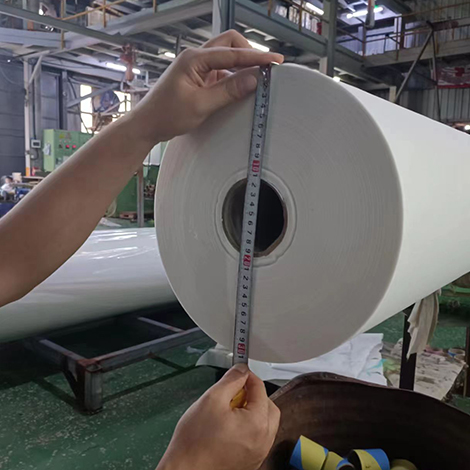
    1) Hole breaking is not allowed 2) Flip the net: Vertical or horizontal>=50cm Flip the net as a shelter point, 500 meters/piece 3) Oil stains are not allowed 4) Rigid block: A shelter point with an area>=4cm2,<=4 per roll 5) Width+2mm 6) Roll length+0.5m 7) Products with an accuracy of less than 30g/m should not exceed+5g 8) The weight deviation on both sides cannot exceed 0.3kg 9) Splicing times 100m/time 10) Cut the edges neatly 11) Do not allow layering or fuzzing 12) Vertical and horizontal strength cannot be lower than industry standards 13) The fabric surface must be uniform 14) No obvious wrinkles or folds 15) The packaging is intact 16) The paper tube must be aligned neatly.   Our company's product recommendations: https://www.henghuanonwoven.com/product/henghua-polypropylene-spunbond-nonwoven-fabric-pp-nonwoven-fabric      
1 2 3 4
A total of4pages
Henghua is a leading manufacturer of PP (Polypropylene) spunbond nonwoven fabric based in Fuzhou city.As one of the largest production houses in China, we operate six advanced production lines with extra two re-roller equipment.Our facilities with covers an area of 3400 square meter workshop. The gross investment arrive 100 millian YUAN.   We take pride in more than 22 years of experience in working with nonwoven fabrics.We pick only the best raw materials of Polypropylene for our products.Our customer are located all over the world.We continuously invovate our production to stay relevant.   Believe in reliable operations & consistent quality Each year, we manufacture 10,000 metric tons of quality polypropylene spunbonded non-woven fabrics from 10gram square meter to 250gram square meter and width range from 15-260cm. Our products are widely used in package industry, medical, home textile,furniture and agriculture fields, such as Shopping bags,suit bags,strorage box,face mask,pillow cover,sofa spring cover,fruit bags.. Henghua Nonwoven products are selling well in country and region such as South America, Southeast Asia, Africa, Southern Europe and South Asia. And we have been getting reputation from customers widely.  

Soclal sharing

Contact Us
Need help? +86 -591-28839008

E-mail : marketing@henghuanonwoven.com

Add : No.260 Liqi Road Hangcheng Street, Changle District, Fuzhou City, Fujian Province, China

Sign Up To Newsletter

Subscribe

Copyright @ 2026 Fuzhou Heng Hua New Material Co., Ltd. All Rights Reserved. Network Supported

Blog Sitemap Xml Privacy Policy

leave a message

leave a message
If you are interested in our products and want to know more details,please leave a message here,we will reply you as soon as we can.
submit

Home

Products

contact

Enter product details (such as color, size, materials etc.) and other specific requirements to receive an accurate quote.
leave a message
If you are interested in our products and want to know more details,please leave a message here,we will reply you as soon as we can.
Submit